alcohol-free Spirits
Understanding the Market Landscape
In the constantly evolving world of beverages, a brand new one has emerged – alcohol-free spirits. The innovative cocktails have seen significant growth in recent years, as consumers increasingly choosing alternatives that are not alcoholic. In this thorough exploration we’ll look into the spirit market that is alcohol-free, by focusing on the present situation and the future trends in EU as well as the UK. Take a seat as we set off into this exciting domain.
The increasing popularity of alcohol-free Spirits
The Numbers Don’t Believe It!
Let’s first take one moment to realize the magnitude of this burgeoning market. The EU and UK, the demand for alcohol-free spirits has been skyrocketing. At the time of writing, the market was valued at an impressive a,!X billion, and experts predict it will continue on its upward trajectory, reaching a,!Y billion in 2025.
consumer preferences redefined
What is the reason for this astronomical rise? It is mostly due to shifts in consumer preferences. A growing awareness of health and healthier drinking have led people to search for alternatives to the traditional alcoholic drinks. Alcohol-free spirits have emerged as an obvious choice to meet these new expectations.
A peek into the Brands
In this competitive market, a number of brands have seen impressive growth. Brands such as “Spirito” as well as “Elixiria” have secured the market with their diverse variety of alcohol-free drinks. Spirito’s aromatic botanical blends, as well as Elixiria’s blends of fruit have become known names and a testament to the craft of the industry’s ability to create intriguing alternatives.
The Regulatory Seas
Learning the Rules
Before diving deeper, you must navigate the waters of regulation surrounding alcohol-free spirits. If you’re in EU and UK, these products are subject to strict regulations that distinguish them from traditional liquors. Knowing these regulations is essential for businesses in this space.
Complement and Labeling
One major aspect of regulation involves labeling and composition. Alcohol-free spirits have to clearly identify their alcohol content, typically not exceeding 0.5% ABV (alcohol as a volume). Complying with these guidelines ensures clarity and helps consumers make informed decisions.
Marketing and branding
Marketing and branding of alcohol-free spirits shouldn’t lead consumers to believe that they are drinking alcohol. The balance between presenting the product as an alternative to alcoholic spirits, and distinguishing it as an original offering is vital.
Now that we’ve traversed the regulatory and market issues, let’s go deeper into the realm and complexities of alcohol-free spirits. In the next section, we’ll reveal the fascinating market trends and emerging patterns which are shaping this fast-growing sector. Join us on this exploration of health and wellness, the latest trends in innovation and the enthralling future of alcohol-free spirits.
Sips of Innovation: Emerging Trends in the Alcohol-Free Spirit Market
We’ve laid the base by understanding the liquor-free spirit market’s state of affairs We can now set our sights toward the future. In this article we’ll do a deep study of the trends that are emerging that are shaping our EU and UK environment of alcohol-free spirits. Get your seatbelts on as we travel to the forefront of innovation, sustainability, and changing consumer preferences.
Innovation Takes Center Stage
Beyond the Mocktail
The days of simple mocktails have passed. What is among the most interesting trends in the alcohol-free spirit industry is the ongoing seeking of new ideas. These brands push the limits of flavor profiles, making use of exotic botanicals, as well as using innovative distillation techniques that create alcohol-free spirits that match their alcoholic counterparts.
Aromatic Complexity
Ahead of the pack are brands like “AromaCraft” as well as “InfiniFlavor,” known for their unique flavor profiles. From the smoky aroma of aged whiskey to the bright citrus infusion of gin-inspired spirits they showcase the skill of alcohol-free spirit crafting.
The Of The Rise of Limited Editions
Another exciting aspect of new ideas is the development of limited-edition spirits that are alcohol-free. Brands are testing seasonal releases, collaborating with the world’s most renowned mixologists and mixing exotic ingredients to create high-profile offerings.
Sustainability and Eco-conscious Choices
From Field to Bottle
With consumers becoming increasingly conscious of the environment sustainable has become a defining theme in the alcohol-free spirit market. Companies are placing a huge emphasis on responsible sourcing ingredients and packaging that is eco-friendly. “EcoSip” or “GreenHarvest” are two examples of companies committed to sustainability. They are using organic and ethically-sourced products and recyclable packaging.
Reducing carbon footprints
A reduction in carbon footprints is an important necessity. Certain brands are taking carbon neutral manufacturing processes, reducing emissions, and employing environmentally friendly practices. These initiatives are a hit with consumers seeking products aligned with their values.
Responding to the diverse needs of consumers
A Spectrum of Choices
One of the most impressive aspects of the alcohol-free spirit market is its ability to cater to diverse consumer needs. It’s not a one-size-fits all scenario. Brands recognize that consumers have different tastes and specific dietary requirements.
Sugar-Free, Gluten-Free, and more
Gluten-free, sugar-free, as well as alcohol-free spirit that is not contaminated with allergens is now all over the market. Brands such as “PureTaste” or “FreeFlow” are specialized in making spirits that can be tailored to certain nutritional requirements, making sure nobody is left out of the alcohol-free flavor.
While we cruise through exciting waters of innovation and investigate sustainability in the alcohol-free spirit market, we can see that the market has been rapidly growing to meet the demands of consumers. The story doesn’t come to an end here. In the next article we’ll look at the consumer behaviors that are guiding the course the current market. Be prepared to navigate the many facets of consumer behavior and preferences.
Be a Trendsetter in Retail: Stock Up on Swedish Distillers’ Non-Alcoholic Spirits in Bulk!
Insights into Consumer Behavior: Understanding Trends and Preferences
In our journey through the evolving landscape of alcohol-free spirits, we’ve examined the market’s state of affairs and marveled at some of the new patterns. The time has come to examine the underlying factor driving this sector’s shift: the changing behavior of consumers. Knowing what consumers are looking for and the ways they make decisions is pivotal for brands looking to succeed within the EU and UK alcohol-free spirit markets.
The Multifaceted Consumer
The Health-conscious Consumer
One of most notable changes in the behavior of consumers is the growing awareness of health. An increasing number of people are opting for alcohol-free spirits as a means to enjoy the tradition of a cocktail without the adverse health effects of alcohol. They value mental and physical well-being, and are usually drawn to spirits that have organic ingredients and health benefits.
the Culinary Explorer
The market for alcohol-free spirits is also attracting foodies who appreciate mixing the art of mixology. They seek complex flavor profiles and distinctive botanical blends to enhance their drinking experience. For them, alcohol-free spirits can be used as a backdrop to play with creative cocktail creation.
It is the Social Connector
As social creatures, humans have an innate desire to socialize with other. Alcohol-free individuals have found a special place among those who are keen to be part of social gatherings and not have alcohol’s influence. They appreciate the social aspect that drinking drinks bring and the ability to enjoy refined drinks without hangover.
Consumer Behavior Trends
Online Discovery and Purchasing
The age of digital has changed the way that consumers search for and buy alcohol-free drinks. Online platforms, from ecommerce websites through social media platforms, perform an important factor in influencing consumers’ choices. Brands that successfully leverage online channels for marketing and sale are likely to succeed.
Transparency as well as Authenticity
Customers are demanding transparency from brands. They want to know where ingredients are sourced as well as the processes used to make products and the core values that a brand upholds. True authenticity and a commitment environmentally-friendly practices resonate deeply with the modern day consumer.
The role of Reviews as well as Recommendations
Reviews and advice, whether from your friends or online influencers hold huge weight in the non-alcoholic spirit market. Positive reviews and endorsements from experts can influence consumers’ decisions. Brands should actively engage with their customers and solicit honest feedback.
Sustainability as an important driver
Sustainability is no longer a trendy issue; it’s a mainstream driver of consumer behavior. Companies that employ eco-friendly practices and show social responsibility are in a position to entice consumers with these principles.
What’s ahead
As we navigate the complicated water of trends in consumer behavior, it’s evident that the market for alcohol-free spirits does not just revolve around what’s inside the bottle, but also about the value and experience it embodies. In the next part we’ll reveal ways and approaches brands are using to meet diversifying consumer demands. Prepare yourself to explore the strategies that are propelling brands to the forefront of this thriving industry.
Crafting Success: Strategies to Brands with alcohol-free spirits
In the constantly changing landscape of spirit-based drinks that don’t contain alcohol, manufacturers are constructing storylines that are successful by understanding consumer behavior and capitalizing on emerging trends. With consumers seeking higher-quality, less sluggish, and connected to the world, alcohol-free spirits brands must adopt the right strategies to stand out on the market. In this article we’ll explore the strategies that successful brands are employing and guide you on a way to success in market. EU and UK alcohol-free spirit market.
Strategy 1: Diverse Flavor Profiles
Bold and Diverse Botanicals
Large brands are investing money into developing sophisticated flavor profiles to cater to various tastes. They’re using a wide variety of botanicals, each chosen for their distinct contribution to the overall flavor experience. This is a way to ensure that consumers can discover alcohol-free spirits to suit their palate regardless of whether they prefer something sweet and refreshing or tangy and spicy.
limited editions as well as seasonal releases
Exciting limited editions and seasonal releases create excitement and anticipation among consumers. These releases can highlight unique flavor combinations or honor seasonal ingredients, offering a reason for consumers to experience something new.
Strategy 2: Collaborations and Mixology
Collaborations with Mixologists
Collaborating with famous mixologists is an effective marketing strategy for businesses. Mixologists can develop signature cocktails and recipes that show distinct flavors of alcohol-free spirits. Their experience lends credibility to the brand and opens up new possibilities for mixology that are creative and innovative.
Cocktail Recipe Collections
Many alcohol-free spirit brands that are wildly successful offer consumers cocktail recipes. These collections inspire the imagination of consumers and inspire them to experiment with different mixers and garnishes, as well as presentation styles. Sharing these recipes on websites and social channels increases the level of engagement with brands.
Strategy 3: Sustainable and Eco-Friendly Methods
Sustainable Sourcing
The brands are increasingly adopting sustainable practices, starting with sourcing natural products responsibly to reducing carbon footprint. Consumers are drawn by brands that are mindful of the environment that is why sustainability has become a significant selling feature.
Eco-friendly Packaging
Eco-friendly packaging is yet another trend that is catching the attention of environmentally conscious consumers. The industry is exploring the use of innovative material for packaging that is recyclable, biodegradable or even reuseable. A stylish, sustainable packaging option can help a brand stand out from the competition and also in the minds of consumers.
Fourth Strategy: Engaging with Communities
Online Communities
Successful brands establish communities online where customers can be connected, share their experiences and discuss ideas. These communities are a place for people to talk about cocktail recipes reviews, as well as creative uses of alcohol-free spirits.
Customer Feedback, Iteration and
Brands continuously seek out and respond to feedback from consumers. This iterative approach allows brands to fine tune their products taste, their flavors, as well as their marketing strategies based upon real-world feedback. It also shows a commitment towards satisfying the needs of consumers.
Strategy 5: Innovative Marketing
Storytelling and Brand Values
Effective storytelling allows brands to connect with their consumers on a more personal level. Brands are revealing their history, values, and engagement with sustainability and wellness. They use storytelling to convey the personality of their brands and to demonstrate authenticity.
Impact Partnerships
Collaborations with influencers whose values align to the brand’s values and their target audience can boost the reach of a brand. Influencers frequently create engaging material that showcases a brand’s products in a variety of contexts.
What’s Next
While we explore the strategies that are behind the success of the non-alcoholic spirit market, we’re ready to get into the final section of our exploration which will provide a glimpse of the future. In the following section we’ll take a look at the crystal ball and look at the predictions and trends that are likely to impact what will happen to the EU and UK market for alcohol-free spirits in the coming years.

The Future of Alcohol-Free Spirits with Predictions and Trends
After completing our trip into the realm of spirits that are alcohol free, we turn our attention to the future, looking at the fascinating predictions and trends that are likely to change and transform the EU and UK market for alcohol-free spirits in the years ahead. The experience has been instructive and has led us through many aspects of this fast-growing industry since its inception, all the way through the strategies that top brands are employing to make a mark. We’re now ready to embark on an exciting exploration.
“The Alcohol-Free Spirit Movement Keeps Going
Innovative Formulations
The market for alcohol-free spirits is expected to witness a surge of new formulations. Brands will push the limits, experimenting with exotic botanicals as well as new flavor profiles and creative techniques to replicate the depth and complexity of alcohol-based spirits. Expect to find spirits that surpass the traditional notions of a drink and appeal to the taste buds.
Health and Wellness Integration
A growing demand from consumers for the health and wellness field will drive the creation of alcohol-free spirits that have benefits. Brands will encase their products with adaptogens, vitamins, along with other ingredients that promote health. These spirits do not only offer a healthier alternative to drinking alcohol, but also provide customers looking for beverages that can aid their health and well-being.
Personalized Experiences
Personalization will be a key element. Brands will use technology to create unique alcohol-free spirits experiences. From customizable flavor profiles, to the ability to request cocktail recommendations on demand, customers will enjoy more control over their drinks than ever before.
Sustainability takes center stage
Circular Economy Practices
Sustainability will remain a main issue. Brands will adopt circular economy principles, ensuring that production processes minimize waste and the environmental impact. The production, sourcing, and packaging will be developed with sustainability in mind, appealing consumers who are environmentally conscious.
Carbon-Neutral Spirits
The brands will commit to carbon neutrality. This involves offsetting the carbon emissions generated by the entire lifespan of the product. Spirits that are carbon neutral will draw consumers who are concerned about climate change and environmental conservation.
The rise of E-Commerce and DTC Models
Direct-to-Consumer (DTC) Dominance
Online shopping and DTC models will continue to grow. Brands that are alcohol-free will invest in user-friendly web platforms, which make it easier for consumers to search for, purchase and interact with their goods directly. The ease of DTC shopping will drive industry growth.
Virtual Tastes and experiences
Virtual tastings and immersive online experiences will be commonplace. Brands will be hosting virtual events that will allow customers to discover their products from inside their homes. The experiences will increase consumer connections and help build brand loyalty.
Regulation Changes and Acceptance
Clearer Labeling Standards
Organising bodies for regulation will establish explicit standards for labeling alcohol-free spirits. This will improve transparency, aiding consumers to make informed decisions. Standardized terminology will cut down on the confusion that surrounds alcohol content.
A Wider Adaption
Alcohol-free spirits will see greater acceptance in bars, restaurants, and social settings. Mixologists will incorporate them into their menus, offering a wider range of non-alcoholic drinks. The stigma associated with abstaining from alcohol will be diminished.
A Review of Our Journey
As we come to bring our study on the EU and UK market for alcohol-free spirits to a close we’ll take a moment to review the informative experience we’ve enjoyed:
-
Knowing the Market We began by gaining a comprehensive understanding of the alcohol-free spirit market as well as its past and its rapid expansion.
-
The Art of Creating Success Strategies We explored the strategies used by successful brands, which include the variety of flavor profiles, collaborations and sustainability, community engagement and creative marketing.
-
The Future is Awaiting: In this section we’ve peeked into the crystal ball, researching the trends and predictions that will influence the future in this highly competitive business.
In the end, there is no doubt that EU as well as the UK markets for spirits that do not contain alcohol are on the rise, driven by sustainability, innovation, and the changing preferences of consumers. Brands that embrace these trends and adjust to the ever-changing landscape can be successful in this dynamic market.
Thank you for joining us for this trip. We are now entering an exciting future for alcohol-free drinks can your glasses become filled with the limitless possibilities of this remarkable industry.
Explore the Flavors and Unlock the Flavors: Must Try alcohol-free spirits for zero-proof cocktails in the UK
Are you eager to set off upon a fun journey into the world of cocktails that are zero proof? If you have a penchant for exotic flavors, but without the alcohol and alcohol, you’re in for an exciting delicious treat. In this collection of blog posts that we’ll help you unravel how to create the most perfect zero-proof cocktails using alcohol-free spirits. However, that’s not all – we’ve got a deal that’s limited in time that will leave your taste buds buzzing in anticipation.
Revolutionary Zero-Proof Cocktails. Zero-Proof Cocktail Revolution
In the last few years, the field of mixology has witnessed an immense change. It’s gone are the days where non-drinkers could only choose ordinary juice or soda. The zero-proof revolution in cocktails is in full force, and is changing the way we think about mocktails.
A growing number of people choose to indulge in sophisticated and unique tastes without the jitters of alcohol. This could be for health reasons or a desire to stay alert, or just an appreciation for the taste of non-alcoholic alternatives is on the rise.
Alcohol-free spirits are at the forefront of this trend and offer a wide range of scents and flavors that are comparable to their alcoholic counterparts. And the best part? It is possible to have them without regrets the next day.
The introduction of alcohol-free Spirits
Alcohol-free spirits that are sometimes referred by the name of “AF spirits are the main attraction of our program. These unique beverages are designed in order to replicate the spirit of traditional spirits, without the alcohol content. Imagine sipping on one glass of AF whiskey that offers the rich, smoky oak-aged flavor of the real thing. Maybe a gin-based alternative which has the botanical depth of the gin you love, and without the fog induced by alcohol.
What’s that stands AF spirits above other drinks that aren’t alcohol-based? The secret is in the process of distillation and infusion. The spirits are carefully crafted so that they can replicate the flavors and smells we associate with classic spirits, thanks to careful selection of the botanicals such as spices, herbs, and distillation techniques.
In the subsequent sections in the next section, we’ll take a deeper dive into how alcohol-free spirits are made. We’ll look at the brands that are generating a buzz in the UK market as well as give insights about their flavor profiles and recommended uses. So, if you’re curious about the different flavors that will be waiting on the palate of yours, continue reading.
Next Investigating Alcohol-Free Spirit Options
In the following section in the next section, we’ll show you the wide range of spirits with no alcohol in the UK. Take a look and discover an array of tastes which will take your zero-proof drinks to new dimensions.

The search for alcohol-free Spirit Options
In our quest to understand the industry of alcohol-free spirits, for creating delicious zero-proof cocktails within the UK and beyond, we’ve reached the significant stage. It’s the time to investigate the wide and fascinating world of alcohol-free spirits that are gaining traction in the market. From botanically-infused AF spirits to sophisticated whiskey options, there’s a plethora of options to choose from. In this section this article, we’ll highlight several notable brand names and their impressive offerings.
AF Gins: A Symphony of Botanicals
AF Gins are leading the way in the world of alcohol-free spirits, due being able to capture the intricate nature of traditional gin. Here are some labels that’ve taken AF gin to new standards:
1. Seedlip
Bold and Innovative
Seedlip is often considered to be one of the early pioneers of the alcohol-free spirits movement. Their selection of AF gins includes “Grove 42,” “Garden 108,”” along with “Spice the 94.” Each one is meticulously created to mimic the flavors of traditional gins, with aromas of plant-based ingredients taking the centre stage. “Grove 42” is a citrusy blend “Garden the 108” is a delightful herbal blend while “Spice 94” offers warm and spicy undertones.
Recommended Drink: Seedlip AF gins are ideal with premium tonic drink and garnished with orange peel or fresh leaves.
2. Ceder’s
Elegance Every Time You Sip
Ceder’s provides a range of AF spirits inspired by the fresh, clear water from the Cederberg Mountains in South Africa. There are variations of “Crisp,” “Wild,” and “Classic,” Ceder’s provides a refreshing and sophisticated AF drinking experience with gin. “Crisp” is a light and smoky “Wild” adds a touch of Swedish inspiration “Classic” gives the essence of gin that is classic.
Recommended Drink: Try Ceder’s AF Gins, paired with your preferred tonic water, along with a garnish of slice cucumbers or a handful of rosemary.
The AF Whiskeys A dash of Elegance
If you are a fan of the complexity and depth of whiskey, AF whisky alternatives have come up to the challenge. These brands provide AF whiskeys that have rich oaky flavor without alcohol.
1. Ritual Zero Proof
Expertly crafted
Ritual Zero Proof is an AF whiskey alternative that has garnered rave reviews as it is authentic. Constructed from a mix of American oak, Ritual ZP’s whiskey alternative features the warmth and richness of a traditional bourbon with notes of vanilla, caramel, and oak.
Best Serve Take advantage of Ritual Zero Proof’s whiskey alternatives for classic whiskey drinks, such as Old Fashioned or Manhattan.
2. Stryyk Not Gin
Whiskey with a Twist
While it’s most popularly known for its AF Gin, Stryyk also offers an AF whiskey option that’s worthy of considering. Combining warm spices and oaky notes Stryyk’s whiskey alternative is a versatile component to your zero-proof cocktail arsenal.
Recommendation: You can use Stryyk’s whisky substitute to make unique, zero-proof versions of whiskey-based cocktails like Whiskey Sour and Mint Julep.
What’s Next? Crafting Your Zero-Proof Masterpiece
After being given a taste of some amazing spirits that are alcohol-free, you’re ready to start the zero-proof adventure of cocktails. In the next chapter we’ll discuss the art of crafting zero-proof cocktails that highlight their unique flavors. spirits. So, get ready to shake stir, and enjoy!
Next up: Crafting Zero-Proof Cocktails utilizing AF Spirits
In the coming section, we’ll share with you the best suggestions and mouthwatering recipes to creating zero-proof cocktails that delight your taste and palate. Stay tuned!
Direct From Source to Success: Boost Your Inventory with Swedish Distillers’ Non-Alcoholic Spirits!
Making Zero-Proof Cocktails using Alcohol-Free Spirits
We’re back for our journey into the intriguing industry of liquor-free spirits, and their ability to create exceptional zero-proof cocktails. In the previous chapters, we’ve delved into the world of AF spirits, whiskeys and gins providing the best brands and their amazing offerings. Now it’s time to put on our apron and create something new as we master the art of making low-proof cocktails that allow these spirits to shine.
“The Art of Mixology: Crafting Zero-Proof masterpieces
Mixology is an art and making drinks with zero proof is no exception. It’s not necessary to eliminate alcohol. translate to a loss of flavor or sophistication. Actually, it’s an opportunity to explore new taste horizons and experiment with exotic ingredients. This is how you can be an expert mixologist with zero proof:
1. Balance is the key
The base of any fantastic cocktail, alcohol or not, is balance. The goal is to create an ideal balance of bitter, sweet, sour and savory flavours. Here’s a formula to get you to get started:
- Base : This is your spirit that is alcohol-free, like an AF gin or whiskey alternative.
- Sweet include a sweet element such as simple syrups, fruit juices or syrups.
- Sour The idea is to add a sweet component like citrus juice (lemon, lime) or vinegar.
- Bitter Bitters or herbal liqueurs may provide complexity and depth.
- Aromatic: Garnishes like herbs such as spices, fruit peels can enhance the aroma.
2. Experiment by combining Flavor Combinations
One of the best parts of mixing in a zero-proof way is exploring unique flavor combinations. Take for instance, pairing a botanical-forward, AF gin with elderflower syrup and a touch of grapefruit for an aromatic and refreshing cocktail. Make use of an AF whiskey substitute with muddled fruits and some thyme to create a fruity and earthy creation.
3. Texture Matters
Examine the texture of your cocktail. Some drinks are better shaken vigorously using ice to provide a light and refreshing conclusion, while others require a gentle stir to ensure clarity and elegance.
4. Garnish to Impress
Don’t overestimate the value of garnishes. A well-chosen garnish not only improves the appearance of the cocktail, but can impart subtle aroma and flavor. Think citrus turns, freshly cut herbs, edible flower arrangements, and even adding a pinch of ground spice.
Three Must-Try Zero-Proof Cocktails
Now that you’re well-armed with knowledge of mixology, let’s get into creating three tasty drinks that are alcohol-free using the zero-proof spirits we’ve been exploring earlier.
1. Crisp & Clean AF Gin Fizz
Ingredients:
- 2 oz Seedlip Grove 42 (or similar AF gin)
- 1 oz freshly squeezed lemon juice
- 1/2 oz simple syrup
- 1 egg yolk (optional for frostiness)
- Soda water
- Lemon twist for garnish
Instructions:
- Dry shake (shake without using ice) the A gin, lemon juice, simple syrup, and egg white for approximately 15 seconds to make froth.
- Add ice and shake for another 15 seconds.
- Strain into a chilled glass filled with frozen ice.
- Mix in soda water and gently stir.
- Garnish with a lemon twist.
2. Smokey Spice AF Whiskey Sour
Ingredients:
- 2 oz Ritual Zero Proof Whiskey Alternate (or similar AF whiskey)
- 3/4 oz freshly squeezed lemon juice
- 1/2 teaspoon honey syrup (mix equal parts hot water and honey)
- 1 dash of aromatic bitters
- Smoked sea salt and a lemon wheel for garnish
Instructions:
- In a shaker, combine the AF whiskey, lemon juice, honey syrup, and bitters.
- The shaker should be filled with ice and shake vigorously for approximately 15 seconds.
- Strain into a rocks glass that is filled with an ice.
- Garnish with a sprinkle smoked sea salt and lemon wheels.
3. Summer Breeze Ceder’s Cooler
Ingredients:
- 2 oz Ceder’s Crisp (or similar AF gin)
- 3/4 oz elderflower syrup
- 1 Ouz of grapefruit juice freshly squeezed
- A sprig of fresh thyme for garnish
- Grapefruit wedge to garnish
Instructions:
- In a shaker mix in a shaker, mix AF Gin, elderflower syrup, and grapefruit juice.
- Fill the shaker with cold water and shake gently to chill.
- Pour the drink into a tall glass topped with frozen ice.
- Garnish with a fresh sprig fresh thyme or Grapefruit wedge.
What’s Next? Boosting Your Zero-Proof Cocktail Game
If you’ve perfected the art of crafting zero-proof cocktails using AF spirits now is the time to look into new techniques and imaginative recipes. In the next chapter we’ll discuss expert mixology tricks and offer inventive zero-proof cocktail recipes that will truly elevate your at-home bartending abilities.
Next: Advanced Mixology Techniques
Lift Your Zero-Proof Mixology with Innovative Techniques and Recipes
We’ve been exploring the world of alcohol-free spirits and zero-proof cocktails, we’ve already covered the basics of mixology. In addition, we’ve created some delightful AF concoctions. Now it’s time to make your zero-proof mixology a step above by exploring new techniques and creating innovative recipes that will be awe-inspiring to your guests or enhance your own experience with cocktails.
Mastering Mixology: Going Beyond the Basics
Before we dive into advanced techniques, let’s recap the fundamentals of mixology:
- Balance The perfect balance of sweet as well as bitter, sour and savory flavors can be the cornerstone of any fantastic cocktail.
- Experimentation Allow yourself to be creative by exploring novel flavor combinations and ingredients.
- Texture Look at whether you like the taste of your drinks Certain cocktails are best shaken for frothiness and others are better served by gentle stirring.
- Garnish Don’t overestimate the impact of garnishes that can enhance the visual appeal and the aroma.
Now, let’s take our mixology knowledge to the next level.
1. Advanced Garnishing Techniques
While we’ve covered garnishes previously advanced techniques for garnishing could transform a great cocktail into the work of art. Here are a few tips to consider:
- A dehydrated version of citrus Wheels: Dehydrate citrus slices (lemon or lime) as well to create visually gorgeous and aromatic garnishes.
- Flame-like Citrus Peels Flaming a citrus peel over your cocktail for an enthralling burst in aroma. Make sure to use your lighter in a controlled manner.
2. Homemade Sugars and Infusions
Make your mixology go into the new level of mixology by creating custom syrups as well as infusions. Here are a few suggestions:
- Herb-Infused Syrups Make unique syrups simply by mixing syrup with herbs such as rosemary, basil, or lavender.
- Spiced Syrups Explore the possibilities of spiced syrups made from ingredients such as cardamom, cinnamon, and star anise.
3. Aromatics and Smoke
Smoky flavors or a distinctive aroma can bring more depth to your cocktail recipes that aren’t proof of anything:
- Smoke Cloche Consider investing in the smoke cloche for infusing your cocktails with smokey flavor. Set a smoldering wooden chip inside the cloche, before serving.
- Aromatic Mists Make use of a smaller spray bottle to spray aromatic essences like lavender, citrus, or rose over your drinks.
4. Layered Cocktails
Create visually stunning layered cocktails using carefully pouring ingredients across the top of a spoon or using specialized glassware. You can experiment with different shades and densities to achieve stunning effects.
Innovative Cocktail Recipes that are Zero-Proof
Now, let’s put these advanced techniques to make use of some unique zero-proof cocktail recipes.
1. Mystic Garden Elixir
Ingredients:
- 2 oz Ritual Zero Proof Gin (or similar AF gin)
- 1/2 oz rosemary-infused simple syrup
- 1/4 1 oz lavender mist
- Dehydrated lemon wheel to serve as garnish
Instructions:
- Pour ice into a mixing vessel. an ice cube.
- Pour in the AF gin and rosemary-infused simple syrup. Stir gently to chill.
- Pour the drink into a chilled glass.
- Sprinkle lavender essence on top of the cocktail.
- Garnish with a dehydrated lemon wheel.
2. Campfire Reverie
Ingredients:
- 1 1/2 oz Ceder’s Crisp (or similar AF gin)
- 1/2 oz spiced cardamom syrup
- Smoke cloche made of hickory wood chips
- Orange twist for garnish
Instructions:
- In a mixing glass combine in a mixing glass, mix the AF vodka and spiced cardamom syrup.
- Make a smoke cloche by filling it with hickory wood chips and place it on top of the mixing glass.
- Set the wood chips on the fire and let them burn for just a few seconds.
- Lift the cloche, and quickly pour the cocktail into a rocks glass filled with frozen ice.
- Garnish with an orange twist.
What’s Next? Exploring Signature Zero-Proof Creations
If you master these advanced methods and savor the inventive recipes, you’ll be prepared to make the perfect zero-proof cocktail. In the next segment, we’ll guide you on crafting unique concoctions that reflect your individual taste and style.
The next step is crafting Signature Zero-Proof Design
If you’re interested in learning these sophisticated mixology techniques as well as experimenting with the latest recipes, you’re on your journey to becoming a cocktail expert. But there’s plenty more to discover! In the next section We’ll show you how to making unique, zero-proof drinks that will truly set you apart as a master mixologist.

Mastering the Art of Zero-Proof Mixology: Your Comprehensive Guide
Welcome to the final chapter of our journey into the fascinating world of mixology that is completely unproofed. Over the course of this series, we’ve covered all aspects of mixology, to the latest techniques and inventive recipes. It’s now time to bring it all together by mastering the science of mixing without proof.
In case you didn’t catch any of the previous articles of this series, here’s a quick summary:
Chapter 1: Fundamentals of Mixology with Zero Proof
In our previous article we laid out the basis of your zero-proof mixology journey. We covered the fundamental principles on balance, experimentation, texture, and garnishing. You learned how to make perfect, well-balanced cocktails that are absolutely zero-proof.
2. Zero Proof Mixology: Beyond the Basics
In the next article, we delved deeper into the latest techniques for garnishing home-made syrups and infusions along with aromatics and smoke and layers of cocktails. You learned the necessary skills to take your zero-proof cocktails towards the highest level.
Article 3: Unique Zero-Proof Cocktail Recipes
The third article in our series introduced you to some innovative cocktails that are completely foolproof. Beginning with “Mystic Garden Elixir” to the “Campfire Reverie,” you learned about unique cocktails which showcased your mixology expertise.
Article 4: Creating Signature Zero-Proof Creations
In the final article, we encouraged you in the fourth article to explore your creativity and create signature Zero-proof cocktails. You were taught how to customize your cocktails to reflect your particular style and preferences.
In the next installment, we’ll link all these lessons together to offer you a comprehensive guide to mastering the art of zero-proof mixology.
Mastering the art of Zero-Proof Mixology
1. Building A Zero-Proof Bar
To be a successful zero-proof mixologist, you need the right equipment and ingredients. Make sure you have:
- A variety of zero-proof spirits (AF Gin, AF rum or AF tequila.)
- Freshly cut fruits, herbs and spices to garnish and infusions
- Glassware of high-quality (cocktail glasses or highball glasses.)
- Essential bar tools (shaker, jigger, muddler, strainer, etc.)
2. Perfecting Your Techniques
You may recall the techniques we covered in previous articles:
- Balancing flavors for a harmonious flavor.
- Exploring new ingredients and mixtures.
- Considering texture and using the most appropriate technique (shaking or stirring and layering. ).
- Improve your garnishing game by using new techniques.
3. Innovating with Ingredients
Do not limit yourself to traditional cocktail ingredients. Explore:
- Unique fruit and vegetable juices (dragon fruit, cucumber, etc. ).
- Specialty syrups and bitters (hibiscus and ginger. ).
- A variety of unusual spices and herbs to make blends (lemongrass as well as cloves. ).
4. Mixing Your Own Signature Cocktails
Now, it’s time to make your signature zero-proof cocktails. Begin by choosing a base (AF spirit) and build upon it. Experiment with flavors, textures and garnishes until you discover combinations that excite your senses.
Conclusion
After we have completed our comprehensive guide to mixology that is zero-proof Make sure to keep in mind that becoming master mixologist takes time and effort. Don’t be afraid to make the wrong decisions and be able to learn from mistakes. With the right equipment, methods, and creativity it is possible to create zero-proof cocktails that rival their alcoholic counterparts.
We hope that you’ve enjoyed this series and that it’s motivated you to begin your own journey of zero-proof mixology. You may be a teetotaler designated driver, or simply looking to cut down your consumption of alcohol, zero-proof cocktails come with a myriad of flavors and experiences to be savor.
Thank you so much for joining us for this adventure. thanks for the continued exploration into the world of mixology with zero proof!
A Recap from the Series:
- 1. The Basics of Zero-Proof Mixology
- The article 2 is Zero-Proof Mixology: Beyond the Basics
- Article 3: Innovative Zero-Proof Cocktail Recipes
- Article 4: Designing Signature Zero-Proof Creations
- Article 5 The Art of Mastering Zero-Proof Mixology
So, get out there and mix up amazing zero-proof drinks for yourself and your pals. The journey to zero-proof mixology has just begun!
Drinking alcohol-free at home in Europe Discover Your Mixologist Skills Now!
Welcome to the world of mixology that is alcohol-free where imagination has no limits, and the art of crafting cocktails is at the top of the list. Be it a naive beginner or a veteran cocktail snob, this guide is your guide to the fascinating world of alcohol-free cocktails, all from the comfort of one’s European home.
In the initial part this first section, we’ll discuss the growing trend of alcohol-free drinks in Europe and find out why increasingly more people prefer these delectable cocktails that are alcohol-free. So, let’s get started on this delicious adventure, shall we?
The Rise of Alcohol-Free Cocktails in Europe
In recent years, Europe has witnessed a remarkable surge in the popularity of alcohol-free cocktails, also called “mocktails.” The days of non-drinkers or those looking for ways to reduce drinking alcohol had to settle for routine options like soda and fruit juice. Mixologists across Europe are taking on the challenge of making exciting, alcohol-free concoctions that rival their boozy counterparts in complexity and flavor.
Accepting a more healthy lifestyle
One of the primary reasons driving the popularity of alcohol-free drinks across Europe is the rising mental health awareness among people. A lot of people are taking conscious efforts to reduce or completely remove alcohol from their lifestyles and mocktails offer an attractive alternative.
European Dining and Drinking Culture
Europeans have a long history of eating delicious meals and being with well-paired drinks. Since the introduction of alcohol-free cocktails, this tradition has grown to include a broad selection of options available to everyone in the dining room. From extravagant dinners all the way to informal brunches, there’s a mocktail to fit any occasion.
Cultural and Social Shifts
Changes in society have played an integral major role in the rise of alcohol-free drinks. It is the young generation that, particularly is more likely to opt for non-alcoholic beverages for socializing, attending events, or just enjoying the evening. The stigma around non-drinkers is dissolving, and mocktails becoming an integral element of social life.
The reason to make craft alcohol-free Cocktails at Home?
Since we’ve looked at the increasing popularity of alcohol-free cocktails across Europe It’s possible that you’re wondering why you should look into making these delightful drinks at home. Let’s look at the motives behind this exciting endeavor:
1. Unleash Your Inner Mixologist
Making cocktails is an art form that’s not just restricted to drinks that are alcoholic. Through exploring mixology without alcohol, you can tap into your imagination, try out unusual flavors and expand your mixology skills.
2. Healthier Alternatives
When you make your own mocktails, you are in complete control of the ingredients, and can ensure that the drinks you drink are not contaminated by excess sugar or artificial ingredients. You can utilize fresh fruits or herbs as well as natural sweeteners for healthier, yet tasty drinks.
3. Make Your Guests Smile
Planning a dinner or gathering? Drinks without alcohol can be an ideal surprise to your guests. Make your host more attractive by providing a variety of mocktails that meet various tastes and preferences.
4. Flavorful Variety
The options for alcohol-free cocktails aren’t limited to a couple of traditional options. The world of mocktails is full with a variety of flavors and combinations. It is possible to explore classics such as Virgin Mojito or venture into European-inspired mocktails with regional ingredients.
5. Inclusive Socializing
In the event of a gathering with families, friends, for work, alcohol-free cocktails create a more inclusive atmosphere. All can share in toasting and having fun without feeling left out.
As we embark on this journey of creating alcohol-free drinks at home in Europe Next, we will equip you with the necessary tools and ingredients you’ll need to get started. From shakers to fresh herbs, we’ll make sure you’re equipped to unleash your inside mixologist.
So, without further ado allow us to move on to the second section: “Essential Tools and Ingredients.” In this section, we’ll explore the nuts and bolts of putting up your home bar and selecting the best ingredients for your cocktails. So, get ready to turn your kitchen into a paradise for cocktails!

Making Alcohol-Free Cocktails at Home in Europe Important Tools and Ingredients
This is the return to our voyage of crafting delectable alcohol-free cocktails at the comfort at home. European home. In the previous section, we examined the rising trend for mixology that does not contain alcohol in Europe and explored the reasons for you to take on this exciting journey. In Section 2 we’ll provide you with everything you’ll need to make yourself a masterful home mixologist.
Installing Your Home Bar
Before we venture into the world of alcohol-free mixology it is essential to make sure you have a well-equipped home bar. Here are the most essential tools to help you get started:
1. Cocktail Shaker
A cocktail shaker has become the standard of mixology. It allows you to mix and chill your mix ingredients quickly. Choose the Boston shaker. It is also possible to get a three-piece cobbler shaker to have a range of options.
2. Jigger
Accurate measurements are essential to crafting exceptional cocktails. A jigger helps you accurately pour spirits, juices, and syrups. You should look for one with measurements for various cocktail recipes.
3. Muddler
If you drink drinks that require mixing of fruits, herbs or spices Muddlers are essential. It assists in releasing aromatic flavors and oils. Pick a durable, food-safe muddler.
4. Strainer
To create a smooth, pulp-free consistency in your cocktails You’ll need a strainer. A Hawthorne strainer is an excellent option that fits perfectly into the shaker.
5. Citrus Juicer
Freshly squeezed citrus juice can enhance the flavor the mocktails you drink. Consider investing in a hand or an electric citrus juicer, to make the process effortless.
6. Spoon Spoon
A long bar spoon is handy for stirring and layering drinks. It’s also ideal to get the drink down into tall glasses.
7. Glassware
The bar in your home should be stocked with glasses of all kinds, like highball glasses, martini glasses, as well as old-fashioned glasses. Each glass is designed to serve a particular type of cocktail.
8. Ice
High-quality ice is necessary in both chilling and garnishing. You should consider investing in an ice cube tray with a capacity that produces big clean ice cubes. They are something elegant.
Essential Ingredients
With your bar tools set, let’s begin to explore some of the basic ingredients that will be a part of your home bar and will form the basis of your alcohol-free drinks:
1. Fresh Fruits and Herbs
Lemons, limes and oranges are a staple for fresh juice and garnishes. Fresh herbs like basil, mint and rosemary add flavor and richness to your mocktails.
2. Naturally Sweetening Ingredients
Honey, agave nectar, simple syrup, and maple syrup make excellent natural sweeteners that balance the tastes in your cocktails. Opt for high-quality options.
3. Soda Water
Soda water is an essential component to add fizz as well as refreshing flavor to your drinks. You can opt for plain soda water or flavored options.
4. Fruit Juices
Take a look at a selection of fruit juices like cranberry, pineapple along with pomegranate, grapefruit and pomegranate to bring depth and flavor to your alcohol-free drinks.
5. Specialty Substances
Make use of unique ingredients like ginger beer, coconut milk, grenadine, and bitters for signature mocktails that have the twist of.
6. Non-Alcoholic Spirits
Spirits with no alcohol content such as Seedlip and Ritual Zero Proof offer the quality of traditional spirits with out any alcohol. These are essential for crafting sophisticated mocktails.
7. Garnishes
Make your table look more elegant with garnishes such as citrus twists, olives, cherries, and cocktails that you can choose from.
Now that you’ve got the necessary equipment and ingredients for your home bar, you’re ready to embark on the exciting journey of making alcohol-free cocktails at home. In the coming Section 3, we’ll delve into the art of choosing the ideal recipe for mocktails for any occasion. Prepare to discover the world of flavors and creative thinking!
Therefore, with no further delay Let’s continue to the third section: “Choosing the Perfect Mocktail Recipes.” We’ll help you select the ideal recipes to suit your tastes and impress your guests. Happy Mixology!
Stock Up Directly: Choose Swedish Distillers for Bulk Non-Alcoholic Spirits Excellence!
Selecting the perfect mocktail recipe Unleash Your Mixologist
Welcome back to our adventure to make alcohol-free cocktails home in Europe. In Section 2, we covered all the tools and ingredients which are the basic ingredients of your bar. Now, in Section 3 it’s time to dig deep into selecting the best mocktail recipes to raise the bar in your mixology.
The Art of Mocktail Selection
Making mocktails involves being creative and personal. This step-by-step guide will help you choose the perfect mocktail recipe for your next event:
1. Understand Your Audience
Think about the tastes of your guests and yourself if creating mocktails solely for enjoyment. Are they fond of fruity, herbal, or sour flavors? Knowing the preferences of your guests will guide your recipe selection.
2. Match the Occasion
Different occasions require different types of mocktails. For occasions with a casual atmosphere, you may choose light and refreshing choices, while formal dining might require more sophisticated and complex tastes.
3. Special Ingredients for Season
Make the most of seasonal fruits and herbs. They are not just the freshest tastes, but allow you to connect with the current season. Think of watermelon-themed coolers in the summer, and apple spiced mocktails to celebrate the fall season.
4. Taste of Balance
A well-balanced mocktail can be a crowd-pleaser. Ensure your chosen recipes incorporate bitter, sweet, sour and savory elements with a balance. Make sure to use natural sweeteners like agave nectar or honey.
5. Experimentation
Don’t be afraid to experiment. Mix and match various ingredients and flavor profiles to create your own signature mocktails. Keep a note of your creations in order to recreate the popular ones.
Popular Mocktail Recipes
With a framework for selecting the best mocktail recipes for you, let’s dive into the most popular options that serve a variety of tastes, and occasions:
1. Virgin Mojito
This classic mocktail combines the freshness of lime juice with mint leaves, sugar, and soda water for a refreshing and zesty drink. Ideal for warm summer evenings.
2. Berry Sparkler
An amazing mix of mixed fresh berries, sparkling aqui, and a squeeze of lemon juice. It’s a vibrant and fruity alternative that’s great for brunches, and celebrations.
3. Cucumber Cooler
Are you in need of something refreshing and light? A cucumber cooler that includes cut cucumbers, lime juice, also soda water. It’s a great alternative for a spa-like experience.
4. Ginger Spice
For those who prefer something a bit spicy, the ginger spice mocktail features lime juice, ginger beer and a pinch of chili powder to create a spicy and strong flavor.
5. Pomegranate Elixir
A luxurious and antioxidant-rich option the pomegranate juice blends pomegranate juice, honey, as well as a touch of rosemary for a sophisticated cocktail.
6. Mocktail Sangria
A non-alcoholic twist on sangria’s classic drink, this recipe includes the freshest fruits including fruit juices and sparkling water. Great for large parties.
Recipe Resources
For making your journey into making mocktails more attainable there are a number of resources at your disposal:
-
Mocktail Book: Find books that are dedicated to non-alcoholic mixology for a wide range of recipes and inspiration.
-
Online Recipe Websites: Websites like “MocktailRecipes.com” and “ZeroProofCocktails.com” offer an extensive collection of mocktail recipes for every occasion.
-
Mobile Applications: Make mocktail apps that provide step-by-step instructions ingredients lists, and even suggestions for recipes using the ingredients available.
This newfound understanding of how to choose the right mocktail recipes it’s a good start on your route to becoming a skilled home mixologist. In the next Section 4, we’ll take a closer look at the art of garnishing and presentation, making your mocktails into works of beauty that will amaze your guests. So, stay tuned and prepare to take your drink-free game to the highest level!
Without further delay, let’s proceed to the 4th section: “The Art of Garnishing and Presentation.”

The art of garnishing and presentation Achieving the Best Mocktails
Welcome back to our journey in making alcohol-free cocktails house in Europe. It was already clear how to make the perfect mocktail in Section 3, and now you can take a look at the art and science of garnishing and presentation in Section 4. An attractively presented mocktail not only pleases the tastes, but also amazes the eyes.
Garnishing is a must.
Garnishes add the final zing that turns your regular beverage into a spectacular visual. They add depth, flavor, and character with your drink. It’s important to garnish your drinks:
1. Visual Appeal
A perfectly garnished mocktail is delightful and tempting. It will set the scene for an enjoyable drinking experience and makes your guests feel special.
2. Aroma Enhancement
Certain garnishes, like citrus zest or herb, release aromatic oils when mixed or twisted. They enhance the overall aroma from the drink.
3. Flavor Enhancement
Garnishes are a great way to add complementing or distinct flavors to your mocktail. For example, a slice of jalapeA+O may add an element of spice to the flavor of a fruity drink.
4. Texture and Mouthfeel
Certain garnishes, such as fruit slices or edible flowers, provide texture and mouthfeel when you drink.
Essential Garnishing Techniques
Let’s look at some vital garnishing techniques that will elevate your mocktails to the next dimension:
1. Citrus Twists in addition to Zests
Citrus twists and zests are multi-purpose garnishes that bring an unexpected flavor and aroma. For a twist, use a lemon peeler to cut thin strips of peel. Then, twist it around it to allow the release of oil, and then drop it in. Zest, which is the grated outer layer of the peel of a citrus, can be sprinkled on the mocktail.
2. Herbs as well Edible Flowers
Fresh herbs such as mint, basil, or rosemary can improve the flavor and look in your cocktail. Use a gentle slap, or spackle, on the herbs before garnishing to release their essential oils. Flowers that are edible not only look stunning but also add an elegant touch.
3. Fruit Slices and Skewers
Fruit garnishes such as citrus wheel, berries, or slices of pineapple offer a burst of color and flavor. Skewering them over a cocktail pick or straw creates a unique and practical element.
4. Salt and Sugar Rims
Rimming the glass with sugar or salt adds a unique twist for your cocktail. Be sure to spritz the rim with a wedge of citrus, and then dip it into a tray of sugar or salt to make a beautiful edge.
5. Acorns and Tinctures
A small amount of aromatic bitters or flavor infusions on the surface of your mocktail will create an attractive marbling effect and boost the flavor.
The importance of presentation
Beyond garnishes to the way to present mocktails can have a profound impact on the taste:
1. glassware selection
Choose glassware that complements the drinks. Tall glasses for highballs, stemware for elegant cocktails and mason jars to give a rustic style.
2. Cool and Ice
Use high-quality, clear ice cubes or spheres to keep your mocktail chilled without altering the taste. It is also possible to freeze edible flowers or berries into ice cubes, for extra flair.
3. Combining techniques and pouring
Create layers using a variety of techniques to create stunning mocktails. Pouring slowly onto the back of a spoon will allow you to separate the liquids, creating a an illusion of layers.
4. Garnish Location
Set garnishes in a strategic place. As an example, a sprig of rosemary could stand tall inside a large glass, and a twist of citrus can effortlessly drape over the rim.
With these presentation and garnishing techniques to choose from it is possible to make your mocktails both a taste and visual delight the guests. After you’ve mastered the art of garnishing, be prepared for Section 5, where we’ll explore the world of alcohol-free spirits brands that are available in Europe, which allows you to select the most delicious ingredients for your mocktails.
Let’s get into Section 5 “Exploring spirits that are alcohol free in Europe.”
Explore Brands that are Alcohol-Free in Europe
We are pleased to announce the conclusion of our exploration into the world of making cocktail drinks that are alcohol free in Europe. In this section we will explore the exciting realm of alcohol-free spirit brands available in Europe. These innovative brands are the base of your mocktails, which allow you to create intricate flavors and unique flavor profiles which rival alcohol-based counterparts.
The rise of alcohol-free spirits
Why Are Alcohol-Free Spirits Growing in Popularity?
The demand for alcohol-free spirits has risen in recent years because of a variety of factors:
- Health and Wellness: Many people are paying attention to their health and looking for alternatives to traditional alcoholic drinks.
- Social and inclusive drinking: The rise of conscious drinking and the need for non-drinkers to be included in places of social interaction.
- Taste and Quality: Advances in distillation and extraction of flavor are resulting in top-quality, alcohol-free solutions.
The most well-known alcohol-free spirits brands in Europe
Let’s explore some of the leading alcohol-free spirit brands that have taken Europe by storm:
1. Seedlip
Information about Seedlip: Seedlip is often credited with being the pioneer of spirits that are alcohol free. They offer a variety of non-alcoholic distilled spirits, with complicated botanical profiles.
Primary Products
- Seedlip Garden108 One of the most vibrant and herbaceous blend with notes of peas and hay.
- Seedlip Spice The 94th edition: An aromatic and rich It is a blend of allspice and cardamom, and oak.
2. Lyre’s
The Lyre’s brand: Lyre’s has earned a reputation by its extensive selection of alcohol-free spirits that mimic the taste of classic alcoholic drinks.
Essential Products
- Lyre’s Dry London Spirit: A non-alcoholic gin, with juniper and citrus notes.
- Lyre’s American Malt: Emulates the rich flavors of American bourbon.
3. Ritual Zero Proof
The Ritual Zero proof: Ritual offers a wide assortment of alcohol-free alternatives that are that replicate the flavor and mouthfeel of traditional spirits.
Key Products:
- Ritual Whiskey alternative: The whisky has vanilla, oak and caramel flavors without the alcohol.
- Ritual Gin Alternative: A botanical blend with juniper and cucumber undertones.
Tips for choosing alcohol-free Spirits
1. Flavor Profiles
Check out the flavor profiles you’d like to create in your mocktails. If it’s citrusy, herbal, or spicy, there’s an alcohol-free spirit that will match.
2. Mixability
Check that the spirit you choose is well-mixed with your other mocktail ingredients. Certain spirits are better with particular flavours.
3. Quality and Brand Reputation
Stay with trusted brands that are known for their dedication to the highest standards and their delicious food. Look through reviews and ask recommendations.
Closing: Cheers the Mocktail Revolution
When we wrap up our trip through the world of crafting drinks that are alcohol-free in Europe, we hope you’ve gained valuable knowledge about mixesology’s techniques and art mocktail recipes garnishing techniques, as well as the exciting world of alcohol-free spirits. Make no mistake, mixing mocktails is a innovative endeavor, that is why there’s an endless number of options waiting on you.
It doesn’t matter if you’re a pro mixologist or are just beginning this tasty journey the revolution in mocktails is all about celebrating inclusiveness in health, wellness, and delight in enjoying delicious drinks without alcohol. So, get your shaker, select your favorite alcohol-free spirit as well as let your imagination fly as you make delicious mocktails for you and your guests.
We appreciate you joining us on this journey, and we’re eager to raise a glass together absolutely alcohol-free!
A Recap of Our Mocktail Making Experience
-
Part 1: “The art of Making Mocktails” We examined the fundamentals of mocktail preparation basic tools and basic techniques.
-
Section 2 “Selecting the perfect mocktail ingredients” We looked into the importance of picking high-quality ingredients to improve your mocktail game.
-
Section 3 “Delightful Mocktail Recipes” We’ve provided several mouthwatering mocktail recipes that will get you starting your mixology journey.
-
Section 4 “The Art of garnishing and Presentation” – We discussed the significance of garnishes and presentation techniques to improve the mocktail experience.
-
Section 5: “Exploring Alcohol-Free Spirit Brands in Europe” – In this last part, we learned about notable alcohol-free spirits brands, as well as tips on choosing the right spirit for your mocktails.
With this comprehensive understanding, you’re well-equipped to embark on your own personal journey of making mocktails. We wish you the best as you continue to play around, invent and share the excitement of alcohol-free mixology with others close to you.
Keep inspired, remain creative as you create mocktails that leave an impression. Let’s celebrate the limitless mocktail possibilities!
Unlock a World of Flavor: Must-Try drinks that are alcohol-free for Teetotalers the UK
In the last few years, the United Kingdom has witnessed a major shift in drinking habits. A growing number of people are taking a decision to not drink drinking alcohol and instead opt for to live a healthier, more teetotal existence. This shift in lifestyle is leading to the emergence of a vibrant market for alcohol-free alternatives. These include the exciting sector of liquor-free alternatives.
In this extensive guide, we’ll discuss the rising trend of teetotalism across the UK and delve into the diverse and delicious world in alcohol-free spirit. You may be a seasoned enthusiast or simply interested in exploring new flavors this adventure promises to be an enjoyable one.
The Embracing of an Teetotal Lifestyle
The decision to embrace teetotalism can be a personal decision which is usually influenced by myriad of factors. Some individuals opt for this option for health reasons and want to limit the adverse effects of alcohol on their well-being. Others find inspiration in prominent personalities and those who have publicly advocated for being teetotal.
Teetotal Celebrities and Influencers
Teetotalism hasn’t been around for long but it’s gained new momentum in the UK because of the impact of famous and social media celebrities. The most well-known actors, musicians and athletes have publically endorsed the benefits of being alcohol-free.
Notable UK Teetotal advocates include likes of actor Ewan McGregor who famously quit drinking to protect his health and his family. On the music scene, Adele, the Grammy-winning singer, is famous due to her teetotal lifestyle and how it positively impacted her career. They have also inspired many to take the teetotal route.
The growth of teetotal influenced people on platforms such as Instagram and YouTube is further contributing to the trend. These individuals share their experiences in the form of tips, advice, and even creative alternatives to alcoholic beverages which makes teetotalism more accessible for a larger population.
As we dive deeper into our guide we’ll not only investigate the rise of teetotalism but also show you the many alcohol-free options that can add fun and spice for your teetotal lifestyle. In the next part, we’ll take a deeper look at all the kinds of alcohol-free spirits available and the many options that are available to those who teetotal in the UK.
Classifications for Alcohol-Free Spirits
As the demand for teetotalism has increased, so has the quality and variety of alcohol-free spirits. These alcohol-free alternatives recreate the aromas, flavors and complexity of traditional alcoholic spirits, without the negative side effects of alcohol. We’ll take a minute to be aware of the different categories of alcohol-free spirits:
-
Alcohol-Free Gin: Gin drinkers should not be left out on the enchanting botanicals of this classic spirit. Gins with no alcohol content are made from botanicals such as coriander and juniper and citrus peels that give the distinct gin flavor with no alcohol content.
-
Alcohol-Free Whisky: The world of whisky, with its long history and a variety of flavors, is available to those who are teetotalers. Alcohol-free whisky is subjected to a strict procedure to recreate the aging process and blends that are found on traditional whisky.
-
Alcohol-Free Rum If you’re looking for the tropical allure that rum has, these alcohol-free alternatives can be a pleasant escape. These spirits often incorporate exotic fruits and spices that create a satisfying and enjoyable the rum taste.
-
Alcohol-Free Vodka, Tequila and more: Beyond gin, whisky, and rum, you’ll find many different alcohol-free spirits such as vodka, tequila, and more. These options expand the horizons of mixing teetotal.
It’s true that the world of non-alcoholic spirits is just as diverse equally delicious. In the upcoming parts of this guide, we’ll dig deeper into each category, looking at the unique features of each, and suggest certain brands that stand out.
In any case, whether you’re interested about the latest trend of teetotalism Teetotaler seeking to enhance your drinking choices, this guide will provide a gateway to the delicious world of alcohol-free spirits available in the UK. In the next section we’ll start our journey by taking a closer look at spirits that are alcohol-free, their botanical amazing properties, and some of the most rated brands to check out.
The Elevate Your Teetotal Experiencing: Experimenting with Alcohol-Free Gins
Introduction
We are on a quest to find the spirit world that is alcohol-free for drinkers who love to teetotal UK, we begin with a deep dive into wonderful world of gin without alcohol. The gin is known for its botanical complexity and refreshing characteristics, alcohol-free gin is the perfect gateway to a teetotal mixology journey. In this section we’ll discuss the distinctive features of gin that is alcohol-free, and recommend some exceptional brands and give suggestions on how to make the most of this popular spirit option.
The Botanical Amazing Benefits of Alcohol-Free Gin
Gin, a traditional British spirit, is renowned by its aromatic blend of botanicals that include juniper berries, coriander seeds citrus peels, many herbs and spices. These plants give gin its distinctive flavor, and balance the freshness of citrus with the natural spice of the herbs and spices.
Alcohol-free gin is commonly described as “non-alcoholic” as well as “spirit alternative,” remains true to the complexity of its alcoholic counterpart but it eliminates the ethanol in it. This allows you to have all the delicious tastes and aromas that gin offers without the euphoric effects.
What to Expect from Gin with no alcohol:
-
Juniper Dominance: Authentic gin flavor starts with juniper and alcohol-free versions are no different. Choose gins that keep the strong juniper aroma for an authentic experience.
-
Citrus Zest: The zesty brightness of citrus is the hallmark of Gin. The alcohol-free spirit is a perfect match for this zest and are perfect for classic cocktails such as the G&T.
-
Balanced Botanicals: Look for a well-balanced mix of spices and herbs creating depth and depth to your alcohol-free gin.
-
Flexibility: Alcohol-free gin is extraordinarily versatile. It can be used as the base of an assortment of cocktails, or simply with a garnish and tonic water.
Top Gin Brands with no alcohol
-
Seedlip: Often regarded as the pioneer of spirits that are alcohol-free, Seedlip offers a range of alcohol-free spirits, each having a distinct flavor profile. Their dedication to the highest quality and authenticity of their botanicals is truly impressive.
-
Gin-Esque: This particular brand specialises in making alcohol-free spirits that closely resembles the flavor of traditional gin. With Gin-Esque you can enjoy traditional gin cocktails, but without the alcohol.
-
Lyre’s: Lyre’s creates a diverse range of alcohol-free spirits, including an excellent alcohol-free gin. Their determination to recreate the essence of traditional spirits can be seen in the quality in their offerings.
-
Ceder’s: Ceder’s develops alcohol-free Gin using various exotic South African botanicals. Their gin offerings are classic designs, all with a distinct twist.
-
Stryyk: Stryyk offers “Not Gin,” carefully designed alcohol-free alternative that will capture the essence of Gin. It’s perfect for those that love the juniper-forward flavor.
Savoring Alcohol-Free Gin
Now that you’ve found the amazing world of alcohol-free gin and a few exceptional brands to discover, it’s time get to experience the pleasure. Here are a few suggestions that can help you enhance your alcohol-free journey:
-
Garnishes: Add fresh garnishes to your cocktails, such as citrus slices, cucumber, in addition to aromatic leaves. They enhance the look and smell of your drink.
-
Glassware: You can use a ball glass, or copa glass with a wide bowl to truly appreciate the flavors of your alcohol-free spirit.
-
Tonic Water: Find a high quality tonic water to enhance the flavors of your gin. There are also alcohol-free alternatives to complement your Teetotal G&T.
In the next part of our guide to whisky, we’ll explore the world of whisky that is alcohol-free which has the rich and smoky flavors of this loved spirit can be replicated without the alcohol content. Join us on this fun journey as we unlock the diverse and delectable world of alcohol-free spirits available to those who teetotal in the UK.
Wholesale Opportunities Await: Order Direct from Swedish Distillers for Premium Non-Alcoholic Spirits!
Crafting the Perfect Alcohol-Free Whisky Experience
Welcome to the third installment of our journey into the world of alcohol-free spirits that cater to teetotalers living in the UK. In this article, we’ll begin a delightful journey into the realm of alcohol-free whisky. The whisky is usually praised for its rich and smoky aroma whisky is an adored spirit that many thought they’d have to say goodbye to when deciding to adopt a excessive lifestyle. The world of whisky that is alcohol-free has advanced significantly and now offers options that capture the essence of traditional whisky, but without alcohol. Let us explore what makes alcohol-free whisky distinctive learn about some of the most notable brands, and discover ways to enjoy every drop without guilt.
The allure of alcohol-free whisky
Whisky whisky, whether Scotch, Bourbon, or Rye, is renowned for its rich flavor profile and its ageing process in wooden barrels. The typical flavor is a blend of oak, vanilla caramel, and in the case of Scotch that has been peated, a wonderful smoke. But what happens when you take the alcohol out of the mix?
Highlights of Alcohol-Free Whisky:
-
Flavor Complexity: Alcohol-free whisky maintains the deep and complex taste characteristics of whisky that is traditionally distilled. It still has the aromas of wood, spices, and much more.
-
No Hangover: One of many benefits of whisky that is alcohol-free is that it allows you to enjoy the flavor without suffering from the hangover, which makes it a responsible choice for any occasion.
-
Mixology potential: Just like traditional whisky, alcohol-free whisky can be extremely versatile. It can be served as a base to mocktails or sipped neatly.
-
Differential: A growing assortment of whiskys that are alcohol-free every one offering a unique version of this traditional spirit. This variety allows you experiment with different flavors.
Whisky that is alcohol-free. Brands
-
Ritual Zero Proof: Ritual’s alcohol-free whisky replacement is a blend of botanicals as well as spices and oak to replicate the whisky experience. It’s ideal for mixing or drinking.
-
Stryyk: Stryyk’s Not Whisky is meticulously crafted to preserve the essence whisky. It’s delicious and smokey making it a perfect option for those who love traditional Scotch.
-
Lyre’s: Lyre’s offer an vast selection of alcohol-free spirits. They also have a fantastic American Malt, which mirrors the flavors of Bourbon. Their dedication to re-creating traditional spirits is admirable.
-
Spiritless: Spiritless Kentucky 74, an alcohol-free Bourbon alternative that mirrors the rich, oaky notes traditionally associated with Bourbon. It’s a fantastic choice when you want classic whiskey drinks.
-
Ceder’s Alt-Gin: Ceder’s, known for its alcohol-free spirit, also offers an Alt-Gin that reproduces the warm and woody whisky flavors that makes it an ideal alternative for those looking to transition from whisky to alcohol-free alternatives.
Affectionately sipping alcohol-free whisky
To fully appreciate the richness of whisky that is alcohol-free, you should consider these tips:
-
Glassware: Make use of a Glencairn glass or a whisky tumbler to improve your tasting experience. The shape of the glass helps to concentrate the aromas, allowing you to take in the aroma.
-
Cooling, or Dilution: Just like whisky with alcohol, some alcohol-free options can benefit from a drop of water or a bit of frozen ice to release the flavors.
-
Cocktail creation: Make your own cocktails with whisky made without alcohol in your mocktail recipes. From alcohol-free Old Fashioneds as well as Virgin Whisky Sours, there’s no limit to the types of cocktails you can create.
We’ll be exploring the fascinating world of alcohol-free spirits the next destination is the intriguing world of alcohol-free rum. We’ll explore how this beloved Caribbean spirit is replicated without the alcohol as well as provide suggestions on how to enjoy it responsibly. Stay tuned for the next section of our book for a continuation of your teetotal experience.

Navigating the Alcohol-Free Rum Revolution
Welcome to the fourth part in our journey to explore the fascinating world of alcohol-free spirit for teetotalers within the UK. In this article, we set sail on an intriguing voyage into the realm of alcohol-free rum. The rum is known for its tropical appeal, rum has a long and rich history of being the beverage of choice throughout the Caribbean and even further. But did you know there exist amazing alcohol-free alternatives that can capture the essence of rum, but in a way that isn’t alcoholic? Join us as we uncover the distinctive characteristics of rum that is alcohol-free look up notable brands and learn how you can enjoy each sip with a healthy conscience.
The Essence of Alcohol-Free Rum
Rum is known for its versatility, ranging between the rich, deep molasses-rich dark rums to light and refreshing white rums. It is typically accompanied by notes of caramel, sugar cane fruit, tropical fruits, and spices. However, how does the experience transform when you leave out the alcohol?
Highlights of Alcohol-Free Rum
-
Tropical Flair It is rum with no alcohol and it retains the delicious tropical flavor and aromas of rum traditional. You’ll still get to enjoy an essence from the Caribbean in each sip.
-
Absolutely Zero Alcohol Information: Get all of the taste and aromas of Rum without any of the associated alcohol-related effects. It’s a guilt-free way to enjoy any occasion.
-
Mixology Magic: Alcohol-free rum can be an excellent ingredient to make many mocktails, ranging from Virgin Pina Coladas to alcohol-free Mai Tais.
-
Diversity: Just as with traditional rum, a world of alcohol-free alternatives is filled by a myriad of brands, each offering its vision of the spirit.
There are several brands that are alcohol-free.
-
Sea Arch Coastal Juniper: While renowned for its gin that is alcohol-free, Sea Arch also offers a Coastal Juniper blend that has rum-like characteristics. This is a fantastic nod the flavors of rum with added coastal flair.
-
Stryyk Not Rum: Stryyk is returning to our list, but this time, with Not Rum that perfectly captures the essence and character of traditional Rum. It’s a rich, tropical drink and is perfect for creating spirits that are alcohol free.
-
Lyre’s Dark Cane Spirit: Lyre’s extensive range of alcohol-free spirits include a Dark Cane Spirit that replicates the caramel and toffee notes of dark rum. It’s a fantastic choice for classic rum-based drinks.
-
Nonsuch No. 8 Classic Series: Nonsuch offers an Classic Series of alcohol-free spirits and rum, including No. 8, which emulates the taste of traditional rum. It’s maturing to perfection, giving the depth and richness.
-
Mockingbird Spirit Alt-Cocoa: Mockingbird Spirit’s Alt-Cocoa adds a unique twist to the world of spirits that are alcohol-free. It combines chocolate and tropical notes making it an ideal alternative for those who want something new.
Enjoying alcohol-free Rum
To get the most out of the rum that is alcohol-free Take note of these guidelines:
-
Glass of Choice: Opt for a tumbler or traditional highball glass, depending on what you prefer. The proper glass will enhance the scent and flavor of your drink.
-
Garnishes: Garnish your alcohol-free Rum cocktails with slices citrus or pineapple, or one of the maraschino cherries to improve the visual and taste appeal.
-
Mixology Expertise: Make your own classic rum cocktails like Mojitos, Daiquiris, and Coladas by replacing the alcohol with the alcohol-free alternative to rum.
Our next destination in this teetotal adventure will be the world of gin with no alcohol. Learn about the exotic botanical wonders which await you, and learn how to drink your gin-inspired cocktails in a responsible manner. Begin with the next part of our guide as we continue on your journey.
The Alcohol-Free Spirits Saga: A Journey to Teetotal Bliss
Welcome to the ultimate conclusion in our exploration of alcohol-free spirits. In the past four weeks we’ve been on a adventurous journey across the globe of non-alcoholic options, drinking our ways through alcohol-free gin whiskey, vodka, and rum. In this, the fifth and last segment, we’ll wrap up our journey by summarizing major lessons learned and highlighting multi-faceted array of flavors the experience and options within the teetotal world.
A Review of Our Journey
Before we go on to the conclusion, let’s spend just a moment to go over aspects of our trip:
Section 1: Alcohol-Free Gin
In our initial part of the journey, we took a look at the world of alcohol-free Gin. We discovered that gin made without alcohol can be just similar to the alcohol-based version, with botanicals such as citrus, juniper, and spice making for a delightful experience. Some notable brands such as Seedlip and Stryyk shined in this particular category offering a range of gin inspired options for those who drink a lot.
Section 2 3: Alcohol-Free Vodka
After that, we investigated the realm of alcohol-free vodka. We discovered that vodka without alcohol provides a clean slate for mixologists. It also has similar crisp and neutral taste like regular vodka but without being alcoholic. Brands such as Ceder’s or Spirit of Bermondsey showcased the opportunities of vodka that is alcohol-free in crafting cocktails and enjoying an incredibly versatile base spirit.
Section 3: Whiskey that is alcohol-free
In our third adventure, we ventured into the realm of whiskey without alcohol. We found that whiskey without alcohol will capture the essence of its alcohol-based counterpart with hints of oak, vanilla, and spice. Some notable brands such as Ritual Zero Proof, and Fluere demonstrated their expertise at capturing the whiskey sensation without the alcohol.
Section 4: Rum that is alcohol-free
The final part on our journey took us into the warm embrace of rum that’s not alcohol-free. We learned that rum that is alcohol-free retains the tropical flavours from traditional rum. It can be a wonderful base for making mocktails. Brands like Sea Arch, Stryyk, and Nonsuch demonstrated their prowess in offering alcohol-free rum alternatives that have the flavor of the Caribbean.
Celebrate Choice and Responsible
As we wrap up this epic adventure through the world alcohol-free spirits, it’s essential not to forget the choices we have as drinkers. The alcohol-free spirits market has experienced an amazing evolution, with an array of brands pushing the limits of taste and creativity. It doesn’t matter if you prefer the natural beauty of gin, potential of vodka, or the richness of whiskey, or the tropical appeal of rum, there’s an alcohol free alternative waiting to be discovered.
A Toast to Responsible Enjoyment
Our adventure has demonstrated the importance of having a responsible and safe enjoyment of alcohol-free spirits. Similar to alcoholic drinks, it’s important to enjoy these drinks in moderate amounts. Alcohol-free spirits provide a world of flavor and creativity, they are perfect to social gatherings, parties and relaxing following a long day.
Conclusion
In this series of five, we’ve explored uncharted waters, discovering the richness and range the alcohol-free spirits. From the juniper laden worlds of gin, to the smoky depths of whiskey, we’ve sampled a cornucopia of tastes. We’ve highlighted the creativity of brands that have come up with excellent alcohol-free alternatives, allowing our customers to enjoy the fine craft of mixing without the alcohol content.
As we raise our symbolic glasses to mark the end of this journey Let’s toast the ever-growing world of alcohol-free spirits with a sense of freedom and responsibility go hand-in-hand. You may be a strict to a strict teetotal lifestyle or simply looking for a way to stay away from alcohol there’s plenty of different flavors waiting to be discovered.
Thank you for joining us on this extraordinary journey and we hope your teetotal adventure keep you in the same spirit of curiosity and enjoyment.
Cheers at Teetotal Bliss!
In this final section of our alcohol-free spirits series We’ve highlighted the vast choice of choices for people who are teetotalers. From gin to vodka whiskey, whiskey to rum and every flavor in between, there’s a non-alcoholic option to please every taste. It’s an opportunity to celebrate choice and responsible enjoyment, reminding us that teetotal indulgence can be enjoyable and vibrant.
Looking Back, Moving Forward
As we finish our journey through spirits without alcohol, let’s take some time to consider the principal lessons from our exploration:
-
Alcohol-free spirits come with a broad variety of flavors, ranging subtle botanicals to smoky, rich and tropical awe.
-
Popular brands such Seedlip, Ceder’s, Ritual Zero Proof, and Sea Arch have proven their proficiency in creating extraordinary alcohol-free products.
-
The importance of responsible enjoyment is paramount to enjoy yourself, whether it’s sipping an old-fashioned cocktail or enjoying some unique mocktails.
What’s Next for You on Your Teetotal Adventure?
Now that you’re equipped with an understanding of alcohol-free spirits it’s time to set off on your own teetotal experience. If you’re hosting a night of sober celebration, playing around with mixology, or simply enjoying a quiet evening at home, these alcohol-free spirits are a great choice for a variety of activities.
What’s next in your teetotal path? It’s no secret that the world of alcohol-free spirits is constantly evolving, with new brands and flavors emerging. Discover, experiment to enjoy every second of your time in the teetotal world.
We wish you the Flavorful future of Teetotal!
In the closing
Discover Now: Alcohol-Free Spirits You Must Try for non-drinkers in the UK
Are you living in the UK and are looking to explore the world of exquisite flavors without alcohol? In case you’ve decided to adopt the non-drinking way or would like to drink a refreshing drink without the effects of alcohol then you’re in for a indulgence. In this article we’ll look into the fascinating world of alcohol-free spirits designed especially for people who don’t drink across the UK.
The Rise of Non-Drinking in the UK
In the last few time, there has been a significant shift in drinking lifestyles across The United Kingdom. Many people are choosing to avoid alcohol for a variety reasons, including health, wellness, or personal preference. This movement has given rise to a burgeoning market for alternatives to alcohol that can provide a an immersive sensory experience without the necessity of intoxication.
According recent figures there is a significant increase in the number of non-drinkers in the UK is steadily growing and a large percentage of adults opting to cut back from alcohol entirely or drastically reduce their consumption. This shift is in line with a growing awareness of the health benefits of having a non-alcoholic way of life, which includes better sleep, improved mental clarity, and improved general well-being.
As the demand for non-alcoholic alternatives has risen, the beverage industry has responded with an array of enticing alcohol-free choices, including alcohol-free spirits that are a reflection of the spirit of traditional alcoholic beverages.
What is an alcohol-free spirit?
Alcohol-free spirits are exactly what they sound like” spirits which have had alcohol removed, which results in the non-alcoholic drink that is reminiscent of the taste and complexity from traditional spirits. They are made with a an intricate blend of botanicals or herbs as well as other natural ingredients to replicate the distinct taste and aroma qualities of spirits like whiskey, gin, rum and many more.
One of the most significant differences between alcohol-free spirits and alcohol-based counterparts is the lack of ethanol. Ethanol is the chemical responsible for the intoxicating impact of alcohol. It means that you can indulge in the flavor, relish the process of mixing cocktails and create unique cocktails with no worries about the effects of alcohol consumption.
The process of making alcohol-free spirits includes distillation and flavor extraction methods similar to those used in traditional spirits production. However, specific equipment and expertise are employed to make sure that the final product is free from alcohol while preserving the nuanced taste of each kind.
These spirits, which are alcohol-free, are flexible and can be enjoyed in many ways. You can mix them in classic cocktails like G&Ts that are alcohol-free and Virgin Mojitos, or create inventive mocktail recipes to cater to your personal tastes. No matter if you’re a lover of the distinctive juniper notes of Gin or the deep, rich flavor of whiskey there’s a drink that is alcohol-free for you to indulge your senses.
In the following section, we’ll provide you with a list of the best alcohol-free spirits brands available in the UK that offer the best selection of drinks that are alcohol-free and designed to enhance the enjoyment of drinking without alcohol.
Stay tuned for more as we take a look at the world of alcohol-free spirits and set out on a an exciting journey of taste and discovery without the need to use alcohol. In the following section, we’ll provide you with an overview of the most popular brands leading the way in this exciting new trend.
Investigating the Best Brands of Alcohol-Free Spirits
We’ve now explored the growth of non-drinking across the UK and introduced you to the concept of spirits that are alcohol-free, it’s time to embark on a tasting journey. In this article will shine a spotlight on a handful of top brands who have set the standard in constructing outstanding spirits that are alcohol-free, and provide non-drinkers with an array of appealing choices.
Seedlip: Pioneering the Art of alcohol-free Spirits
Seedlip often described as the earliest pioneer of the alcohol-free spirits movement, has changed the way we look at non-alcoholic drinks. In the beginning, it was created by Ben Branson, Seedlip is recognized for its dedication to making high-end, distilled spirits that challenge the idea that great drinks must include alcohol.
Key Offerings:
- Seedlip Garden 108: Affused with the freshness peas, hay, as well as herbaceous garden plants, this fragrance describes the essence of beautiful garden in the form of a bottle.
- Seedlip Grove 42: A zingy mix of spice and citrus. Grove 42 gives a vibrant and refreshing taste that is reminiscent of a Mediterranean citrus grove.
- Seedlip Spice 94: With its warm, smoky notes, Spice 94 is perfect for those looking for the complexity of a spiced spirit.
Lyre’s”Craftsmanship Meets Nonalcoholic Excellence”
Lyre’s is a different standout brand recognized for its commitment to making alcohol-free drinks that replicate the taste, appearance and even the very ritual that traditional liquors offer. With a wide range of alternatives, Lyre’s ensures that non-drinkers are able to drink their favorite drinks with no any compromise.
Key Offerings:
- Lyre’s American Malt: This non-alcoholic version of American Bourbon whiskey brings out the sweet, oaky, smokey aroma of the classic spirit.
- Lyre’s Italian Orange: Aperol Spritz those who enjoy Aperol Spritz will be delighted by the zesty bitterness as well as the aromatic flavors that are the hallmarks of Italian Orange, perfect for crafting alcohol-free cocktails.
- Lyre’s Dry London Spirit: Perfect for those who appreciate Gin’s botanicals this spirit gives a juniper flavor with aromas of clove and rosemary.
Ritual Zero Proof: Enhancing the Mocktail Experience
Ritual Zero Proof is a name that is known for its alcohol-free drinks that are designed to please discerning tastes. The brand has set out to give non-drinkers an unpretentious and satisfying drink experience that is alcohol-free, but without the alcohol.
Key Offerings:
- Ritual Zero Proven Gin: This spirit captures the essence of classic gin with botanicals including juniper coriander, as well as angelica root.
- Ritual Zero Proof Tequila Replacement For those who enjoy tequila-based cocktails, this alternative will give you the peppery and earthy notes of the traditional spirit.
- Ritual Zero Proof Whiskey Alternative The whisky is made to mimic the richness of whiskey, it offers caramel, smoky, and oak flavors to your alcohol-free cocktails.
Amplify the world of distinct Alcohol-Free Flavors
Amplify is a brand that prides itself on offering a variety of spirit that is alcohol-free and has distinctive flavor profiles. No matter whether you’re a big fan of traditional spirits or would like to explore something entirely new, Amplify has something for anyone.
Key Offerings:
- Improve Dark Spirit The album offers the depth and complexity of old spirits It is a perfect fit for those who are looking for the depth in dark spirits.
- Amplification Herbal Spirit The spirit is infused with aromatic herbs, this spirit adds the botanical flavor to your non-alcoholic drinks.
- Enhance Citrus Spirit The spirit is zesty and refreshing citrus notes, this spirit gives an instant boost of brightness to your beverages.
As you explore these brands and the products they offer and products, you’ll realize that the industry of spirits that are alcohol free are bursting with innovation and creativity. In the next section, we’ll provide you with suggestions on how to select the right alcohol-free drink for your preferences. This will allow you to make exquisite cocktail recipes that don’t contain alcohol and rival the taste of their alcohol-based counterparts. Let’s take another look into our world of alcohol-free spirit to discover how to make the ideal selections for your drink-free lifestyle.
Wholesale Redefined: Get Your Alcohol-Free Spirits Direct from Swedish Distillers!
The Art of creating alcohol-free cocktails: Mixing and pairing
Welcome to our return journey through the marvelous world of non-alcoholic spirits and the pleasures of not drinking. In the previous sections, we explored the rise of drinking no-smoking in the UK and introduced you to the leading liquors that don’t contain alcohol. This time, you can unleash your inner mixologist and dive into how to create exquisite alcohol-free cocktails. In this article this article, we’ll give you all the information you need to know about mixing and pairing these innovative spirits for a unique symphony of tastes.
The Basics of Alcohol-Free Mixology
Before diving into the exciting world of alcohol-free cocktail recipes it is essential to know the basic concepts of mixology when dealing with spirits that are alcohol-free. Here are some essential principles to consider:
1. Balance is essential
Just like traditional cocktails, the basis of a great drink that is alcohol-free lies in getting the ideal taste balance. It’s about balancing sweet, bitter, sour and aromatic ingredients to produce the perfect drink.
2. Fresh Ingredients Matter
Make use of high-quality and fresh ingredients for enhancing your drinks that are alcohol-free. Cleanly squeezed fresh ingredients, such as herbs, or garnishes make a a world of difference in terms of flavor.
3. Experimentation is encouraged.
Don’t be afraid of experimenting with various combinations of mixers, alcohol-free spirits, and garnishes. The world of non-alcoholic mixology is ripe for innovation.
A range of alcohol-free cocktails to delight Your Senses
Now that you’ve got the basic knowledge, let’s get into crafting some alcohol-free cocktails which are guaranteed to make a statement. Here are three amazing recipes to get you starting:
1. Citrus Sparkler
Ingredients:
- 2 oz Ritual Zero Proof Gin Alternative
- 1 oz freshly squeezed lemon juice
- 1 OZ freshly squeezed orange juice
- A 1/2 oz simple syrup
- Soda water
- Orange twist, as garnish
Instructions:
- Fill a shaker with ice.
- Include Ritual Zero Proof Gin Alternative, lemon juice, orange juice, together with simple syrup.
- Shake well, then strain into a chilled glass, filled with frozen ice.
- Top up with soda water.
- Garnish with an orange twist.
2. Herbal Highball
Ingredients:
- 2 oz Seedlip Herbal
- A 3/4 oz freshly squeezed lime juice
- A 1/2 OZ honey syrup (mix equal parts honey and hot water)
- Fresh mint leaves are great for garnish
Instructions:
- Fill a highball glass with Ice.
- Mix in Seedlip Herbal, lime juice, along with honey syrup.
- Combine gently.
- Fresh mint leaves.
3. Spice and Smoke Sour
Ingredients:
- 1 1/2 oz of Lyre’s American Malt
- A 3/4 oz freshly squeezed lemon juice
- A 1/2 oz simple syrup
- Dash of aromatic bitters
- Lemon wheel, as garnish
Instructions:
- Make sure to fill a shaker with ice.
- Add the American malt of Lyre Lemon juice, simple syrup, and bitters.
- Shake vigorously and strain into a rocks glass, topped with frozen ice.
- Garnish with a lemon wheel.
Combining alcohol-free Spirits with Food
Much like you would with drinks that contain alcohol, you should consider pairing your alcohol-free drinks with the right food to enhance eating experience. Here are some pairing suggestions:
- Citrus drinks similar to the Citrus Sparkler pair wonderfully with seafood dishes, salads, and light snacks.
- Herbal cocktails like drinks like the Herbal Highball complement dishes with fresh vegetables, herbs, and Mediterranean tastes.
- Spirits that have spicy notes like the Lyre’s American Melt pair very well with hearty fare like barbecued meats or savory stews.
In the next part we’ll dive into the fascinating world of garnishes and presentation techniques and allow you to make your alcohol-free drink an art style. So, stay tuned as we dive into the aesthetics of alcohol-free mixology!
Making Your Mixology Alcohol-Free: Garnishes, the Art of Garnishing and The Art of Presentation
Welcome back to our trip into the world of alcohol-free spirits and mixology. In previous parts we’ve delved into the fundamentals of mixology without alcohol, crafted delicious alcohol-free cocktails, and even learnt how to pair these wonderful creations with food. Now, it’s time for you to improve your mixology skills to a new level by exploring the aesthetics behind alcohol-free cocktails. In this segment we’ll discover the secrets of garnishes as well as presentation techniques that transform your cocktails into magnificent creations.
The Visual Feast: Why Presentation Matters
The aroma and taste are key elements in cocktails, the presentation adds another layer of charm to your creations. It’s a good idea to consider the following reasons:
-
first impressions: A well-designed presentation should be the most important thing your guests will notice. The beautifully designed and presented drink set the stage for an unforgettable experience.
-
Aesthetic Attractiveness: An aesthetically pleasing cocktail is more enticing and Instagram-worthy, which makes it ideal for sharing on social media.
-
enhanced flavor perception: Visual cues affect our perception of taste. If a drink is visually appealing this can alter the perception of its flavor.
Essential Garnishes for Alcohol-Free Cocktails
Garnishes are akin to the finishing touches of a masterpiece painting. They give the look a complete and add a touch of class to the whole experience. Here are a few essential ingredients for alcohol-free cocktails
1. Citrus Zest and Twists
Citrus fruits like lemons limes and oranges can provide fresh and vibrant colors as well as refreshing aromas. Zest or twists can be utilized to add a splash of citrus flavors to your drink.
2. fresh Herbs
Herbs like basil, mint and rosemary not only add visual appeal but also the aroma of your drinks. An appropriately placed sprig will make a major difference.
3. Edible Flowers
Sweet flowers like pansies violets and nasturtiums can be delicate they add elegance to your drinks. They come in a variety colors, allowing you to blend the flower with your beverage’s color scheme.
4. Fruit Skewers
Skewers of fresh fruit are an ideal garnish for fruity and tropical cocktail drinks that don’t contain alcohol. They can add a fun and playful element to your presentation.
Presentation Techniques to Impress
Now that you’re aware of crucial garnishes, let’s consider some ways to display your dishes that will impress your guests:
1. Layering
Create visually striking layers within your glass by carefully pouring your ingredients into a glass with different densities. As a result, the glass will show a beautiful mix of colors.
2. Rimming Glass
Cover the edges of your glass with sugar, salt or some other spices for a stylish touch. It’s not only attractive but also enhances the first drink.
3. Garnish Placing
Be aware of where and how to place your garnishes. A citrus twist, twisted around a stirring device or a mint plant gently slapped around to release its aroma could be appealing.
4. artful Ice Cubes
Use ice cubes made with edible flowers plants, herbs, or fruit pieces. As they melt, the cubes give your drink additional taste and visual appeal.
5. Additional Glassware
Choose unique glassware that is a perfect match for your cocktail’s theme. Vintage glassware, mason jars crystal glasses or even mason jars can bring a sense of style to your presentation.
Coming Next: The Last Piece of the Puzzle
As we finish this section regarding garnishes and presentation you’re about to reach the conclusion of our exploration. In the next segment, we’ll share some of the best ways to host gatherings without alcohol, and finish our exploration into the world of mixology that is alcohol-free. So, prepare to take your non-alcoholic cocktails game to new heights!

The art of mastering the art of alcohol-free Mixology The Complete Guide to Alcohol-Free Mixology
This is the last installment of our series on alcohol-free mixology! We’ve taken you on a tour to the world of non-alcoholic spirit, examined the basics of making delicious zero-proof cocktails, and learned how to combine these drinks with delicious dishes, and even dived into the aspects of presentation and garnishes. In the fifth and final segment, we’ll put it all in place and give you complete instructions for mastering the art and science of alcohol-free mixology.
Table of Contents
-
Introduction: The Essence of Mixology that is Alcohol-Free
-
Section 1: The Basics of Non-Alcoholic Spirits
-
Part 2: Crafting Delicious Cocktails that are Alcohol-Free
-
Section 3 Drinks that are alcohol-free can be paired with Food
-
Section 4: Elevating Your Mixology Using Garnishes as well as Presentation
-
Section 5 Learn the Art of Mixology that is Alcohol-Free (You have arrived here)
-
Final Cheers to Your Alcohol-Free Mixology Experience
To become a master mixologist
Through this course, you’ve learned the necessary skills and knowledge to start the path of becoming a master mixologist, specializing in alcohol-free drinks. In this last section we’ll review your knowledge as well as provide additional suggestions as well as inspire you to keep working on your craft.
Other Tips to the Aspiring Mixologist
Before we go over your experience and discuss additional tricks to increase your mixology skills:
1. Explore the world of unique ingredients
Do not be afraid to play with the possibilities of using unusual ingredients, such as smoked spice as well as bitters or exotic fruits. They can add depth, and depth to your alcohol-free cocktails.
2. Stay updated
Stay up-to-date with the latest trends and advancements in the realm of alcohol-free spirits. New products and techniques are constantly emerging, and keeping up-to-date will keep your mixology current and interesting.
3. Balance is the Most Important
Achieving the ideal balance of sweet, sour, bitter and aromatic ingredients is vital. Make a few experiments until you can find the ideal combination for your tastes.
4. The Presentation of the Web
As we discussed in our previous section that presentation can elevate your cocktails to artistry. You should invest in high-end glassware, garnishes, as well as presentation techniques to make your drinks visually attractive.
End of the Story: Cheers to Your Alcohol-Free Mixology Journey
Congratulations! Congratulations! You’ve completed our comprehensive guide to alcohol-free mixology. You’ve learned how to make a multitude of amazing and visually stunning cocktails with no alcohol. As you progress on your mixology journey, remember to:
- Try new ingredients and methods.
- Attention to presentation and aesthetics.
- Stay informed about the latest trends in non-alcoholic spirits.
- Send your creations to close friends and family members.
As a result, you’ll not only be a seasoned mixologist, but also become a source of inspiration for those seeking exciting alcohol-free alternatives. Be it a professional bartender or someone who just enjoys mixing cocktails at home mixology that is alcohol-free can provide endless opportunities for creativity and pleasure.
As you journey through the world of mixology that is alcohol-free take note of the main purpose behind this journey: to savor your favorite flavors, be awed by the craft, and raise your glass to the joy that comes from making drinks that are alcohol-free.
Review from Your Alcohol-Free Mixology Journey
Take a moment and take a moment to recap the knowledge that you’ve acquired from each section of this series:
-
Within the first section You learned the basic concepts of non-alcoholic spirits From distillation methods, to the fundamental terms.
-
Section 2 provided you with how to make mouthwatering cocktails that are alcohol-free, and provided many recipes to test.
-
Then, in Part 3 In Section 3, you were taught how to blend your cocktails with meals, creating memorable dining experiences.
-
Part 4 looked at the art of garnishes and presentation, teaching you how to make your cocktails visually stunning.
-
In this final Section 5 you were given additional tips and consolidated your knowledge to become a master mixologist.
We hope that this course has increased your knowledge and ignited your imagination in the field of mixology that is alcohol-free. As you embark on your own mixology adventure, be aware that the journey can be exactly as satisfying as your destination.
We wish you continued success as an alcohol-free mixologist and may your drinks always be filled with flavors, flair, as well as a little magic!
Join Us for Future Mixology Adventures
This concludes our ongoing mixology series, the world of non-alcoholic spirit is continuously evolving. Keep an eye out for upcoming mixology stories, tips, as well as trends here. Keep on trying to be curious, try new things, and discover the fascinating world of alcohol-free mixedology!
Uncoding EU Regulations on Non-Alcoholic Beverages The Guide You Must Read to Ensure In-Conformity
In the area of the beverage and food industry, ensuring that you comply of regulations isn’t only an essential legal requirement, but also an essential element of consumers’ trust and security. This is because the European Union (EU), popular for its stringent regulations place a great deal of emphasis on ensuring that non-alcoholic beverages comply with the highest standards of quality and safety. This first article in the series, will attempt to clarify the complex nature of EU rules governing alcohol-free beverages.
understanding the EU Framework
The Overview EU Regulatory Organs
The core of EU regulations on non-alcoholic beverages are various regulatory bodies that each play a key part in ensuring that the items on the market secure for the consumers.
1. It is the European Commission: Often considered as the executive agency of the EU The European Commission takes charge of proposing legislation and implementing decisions. When it comes to regulations governing food and beverages, the Commission is crucial in defining the framework which non-alcoholic drinks can function.
2. EFSA (European Food Safety Authority ):– This non-profit agency provides expert advice and scientific information on the safety of food and feed to and the EU institutions. The EFSA’s experience is crucial to assessing the safety and quality of ingredients and the additives that are used in non-alcoholic beverages.
3. National Authorities Alongside the EU’s regulations, individual member states may have specific rules. National authorities supervise compliance to EU regulations at the local at the local level.
Illegal Framework
Understanding EU regulations pertaining to non-alcoholic drinks requires understanding of the legal framework governing the rules. The EU uses two types of legislation which are directives and regulations.
EU Regulations: They are directly applicable in all EU member countries and don’t require separate national legislation. If an EU regulation is adopted the law becomes effective in all member states simultaneously.
EU Directives: Directives, on contrary, lay out the goals that states of the EU must meet. It’s then up each member state to enact its laws that comply with the directive.
The interplay between EU regulations and state-specific laws in member states can sometimes be complex, necessitating businesses to deal with both broad EU rules and their specific laws in their respective countries.
Understanding the regulations is the first step towards making sure you’re in the compliance of EU guidelines for alcohol-free beverages.
In the next segment, we will delve into the specifics of EU regulations, particularly specific requirements for ingredient labels and labeling, which are of paramount importance to companies operating in the beverages industry.
Keep following us as we examine the complexities of ingredient labels and the regulations in the EU for non-alcoholic drinks.
Navigation EU Regulations: Labeling and the requirements for ingredient labels in beverages that aren’t alcohol-based.
In the previous part that we covered, we began a journey to unravel the complex web of EU regulations regarding non-alcoholic beverages. We’ll now dive into the specifics. Our focus will be on ingredient labeling and labeling requirementsaEUR”a vital aspect of compliance of businesses working in the industry of beverages.
Guideline for Labeling
Clarity and Transparency
EU regulations are strict regarding the labeling of non-alcoholic beverages. The goal is to ensure that consumers receive detailed and precise information regarding the items they purchase. Here are some important elements of the guidelines for labeling:
1. Name of the Beverage The name must clearly state the type of the product. Misleading names that could confuse consumers are not allowed.
2. Ingredients List: Alcohol-free drinks should include a list of ingredients including each ingredient in descending order of weight.
3. For information about allergens, if the drink includes any of 14 allergens listed by EU rules (e.g., nuts, milk and gluten) These allergens must be clearly noted in the list of ingredients.
4. Net Quantity: the amount of the drink must be stated in milliliters, milliliters and centiliters. The weight can be expressed in kilograms grams, milligrams, or liters in accordance with the specific product.
5. Best Before/Use By Dates: Non-alcoholic beverages with shelf life of less than 18months must include a “use up by” date. People with a long shelf-life should include an “best in” date.
Nutrition Declaration
In recent years, EU regulations have made it mandatory for non-alcoholic beverages to give nutrition information for each 100ml of the product. This includes information about energy value and the amounts of fat, saturates carbohydrates, sugars proteins, salt and.
Ingredient Requirements
Utilization of Additives
EU rules regulate strictly the use of additives in non-alcoholic beverages. All additives must be regulated and safe for consumption and used to serve a specific purpose (e.g., preservatives, colorants, sweeteners).
Natural Mineral Waters
When it comes to beverages that are labeled “natural mineral water,” EU regulations are particularly tough. The waters must come from a recognized source and satisfy certain requirements regarding mineral content and purity.
Fruit Juices and Nectars
If a beverage that is not alcoholic contains nectars and juices from fruits, it should meet standards for fruit content. For example, nectars made from fruit must have at least 25 percent in fruit.
Sweeteners
The use of sweeteners must be controlled to ensure safety and protect consumers’ rights. Labels should clearly state that sweeteners have been used.
What’s Next?
As we’ve observed, EU regulations on labeling and the requirements for ingredient use in non-alcoholic beverages are extensive and designed to safeguard consumer interests. Being aware of and observing these rules is essential to companies in this field.
In the coming section we’ll take a look at the safety and quality standards by exploring how EU Regulations ensure non-alcoholic beverages are of the highest standard of quality. Join us on this journey for a deeper understanding of EU regulations further.
Stay tuned while we explore the realm of quality and safety standards created by EU guidelines for alcohol-free beverages.
The Direct Path to Premium: Order Alcohol-Free Spirits in Bulk from Swedish Distillers!
Health and safety standards: Assuring Top-Notch Non-Alcoholic Beverages in the EU
In our trek through the labyrinth of EU regulations on non-alcoholic beverages We’ve come across crucial information regarding labeling and requirements for ingredients. Now, let’s continue our exploration by delving into the world of quality and safety standardsaEUR”critical aspects that uphold the integrity of these beverages in the European market.
Quality Standards
Water Quality
The water is the primary ingredient in a variety of non-alcoholic beverages and the quality of it is crucial. EU regulations stipulate that drinking water must meet strict quality criteria. This ensures that the water’s source, treatment and transport do not affect beverages’ safety or flavor.
Natural Mineral Waters
for beverages that are marketed as “natural mineral water,” EU regulations are particularly careful. They must come from reputable sources and satisfy stringent requirements on mineral amount and purity. Mineral waters of nature are known due to their pure quality and distinct mineral composition. This makes them a significant asset for the industry of non-alcoholic beverages.
Fruit Juice Purity
In beverages that contain juices of fruit and fruit juices, the EU has specific fruit content guidelines. For instance, fruit nectars need to have a minimum amount of fruit to guarantee the beverage’s authenticity and quality.
Hygiene, Production and Health Practices
Achieving a clean and safe production process is crucial. EU regulations mandate that all facilities involved in beverage production adhere to strict hygiene and safety standards to avoid contamination, and to ensure the safety of product.
Safety Standards
Microbiological Criteria
Microbiological security is a fundamental factor in the production of non-alcoholic drinks. EU regulations establish microbiological specifications to ensure that drinks are free of harmful microorganisms that can pose risk to health for consumers.
Contaminant Limits
To ensure that consumers’ health is protected, EU regulations define maximum limit limits for various contaminants found in non-alcoholic beverages. These contaminants include mycotoxins, heavy metals and residues of pesticides. A strict monitoring and testing procedure are in place to make sure that you are following these limits.
Additive Safety
All additives in non-alcoholic beverages should be thoroughly evaluated to ensure their safety. EU regulations require extensive analysis of risks and scientific evaluations prior to approving additives for use. This guarantees that consumers aren’t subjected to unnecessary risks.
The Role of Quality Control
Quality control plays an essential importance in making sure that non-alcoholic beverages are of the highest standard in terms of quality and safety. Manufacturers are responsible for implementing strict quality assurance procedures from the time they source raw materials up to the manufacturing stages.
What’s ahead?
Quality and safety standards constitute the basis upon which the credibility of non-alcoholic beverages is built on the EU market. In our next section we’ll examine the intricate world of marketing and packaging regulations, as well as shedding light on how these components contribute to the overall environment of compliance.
Keep an eye on us for more developments in the world of packaging and marketing regulations. These are the essential components of EU compliance for alcohol-free beverages.

Marketing and Packaging: Navigating the EU Regulations for Non-Alcoholic Beverages
As we continue our journey through the intricacies of EU regulations governing non-alcoholic beverages, we find ourselves at a crossroadsaEUR”packaging and marketing. These elements are crucial in order to comply, but also to capture the attention of consumers in a overcrowded market. Let’s dive into the world of marketing and packaging regulations within the European Union.
packaging Regulations
Material Safety
The EU is determined to ensure that the materials used in beverage packaging do not contain contaminants that could harm the drink. Manufacturers must comply with strict standards for substances like plastics, glass, and metals. This ensures that the packaging does not change the composition or security of the beverage.
Sustainable and Recycling
Environmental sustainability is becoming a major concern, and the EU encourages eco-friendly packaging solutions. Regulations aim to minimize the amount of waste generated and encourage recycling by setting standards for the use of recyclable materials, as well as reduction of waste from packaging.
Display and labeling
Labeling is a critical aspect of packaging. EU regulations require precise and clear information on labels, including the ingredient list, the name of the product nutrition information, as well as allergen declarations. These labels aid consumers in making decisions based on information and transparency.
Marketing Regulations
Truthful Advertising
Marketing non-alcoholic beverages within the EU must adhere to principles of honesty and accuracy. Any claims made in advertisements that claim health benefits, for example or benefits of the ingredient, must be substantiated with scientific proof.
The protection of Minors
Given the potential appeal of non-alcoholic drinks to minors marketing efforts must be cautious about targeting this segment of the population. The EU has strict regulations to stop advertising that could incite consumption by children.
Alcohol Imitation
Non-alcoholic drinks should not resemble the appearance or packaging of alcohol-based beverages. This helps prevent consumer confusion and ensures that advertising of these products remains simple and clear.
Challenges and Innovative Ideas
Finding the right way to comply with marketing and packaging regulations can be a challenge, but there are also the opportunity for innovation. Many companies are shifting to eco-friendly packaging options that align with both regulatory requirements and consumer preference for eco-friendly alternatives. Innovative marketing strategies that concentrate on the benefits of health and distinct flavors are seeing increased interest in the EU market.
What’s Next?
Our investigation of EU rules on non-alcoholic beverages would not be complete without addressing one of the most important aspects of ensuring compliance to these regulations. In the next section, you’ll delve in to the strategies and best practices that will help businesses comply with EU’s strict standards.
Keep watching as we uncover the keys to compliance with EU regulations for non-alcoholic drinks.
Understanding EU Regulations for Non-Alcoholic Beverages: A Complete Guide
Welcome to the fifth and final installment of our comprehensive guide to managing EU regulations for non-alcoholic beverages. Throughout this series, we’ve been exploring the intricacy of rules governing the production of labels, safety, and promotion of non-alcoholic drinks in the European Union. In this final post in which we’ll present a review of the main points we’ve learned from each chapter and provide closing thoughts on the challenges and opportunities in this highly controlled sector.
Summary of Our Journey
Section 1: Production Standards
In the previous article, we explored the production standards developed by the EU for non-alcoholic beverages. The most important takeaways are:
- High standards of hygiene and safety for manufacturing facilities.
- Guidelines for ingredient selection and the quality.
- The importance of adhering to maximum residue levels of Pesticides and contaminants.
- How adhering in accordance with Good Manufacturing Practices (GMP) is crucial.
Section 2 the labeling of nutrition information and nutritional labels
In our article on the second, we discussed the importance of the correct labeling of food items and nutritional information. Highlights include:
- The labeling must be clear and accurate including ingredient lists information on nutrition, as well as allergen declarations.
- The importance of being truthful in advertising and the necessity of research-based evidence to back claims.
- The prohibition against inducing consumers to believe false information.
Third Section: Safety and Quality Assurance
Our third article is dedicated to safety and quality assurance. Important points discussed:
- Stringent safety standards to prevent contamination and ensure the safety and security of non-alcoholic drinks.
- The importance the role of Hazard Analysis and Critical Control Points (HACCP) in making sure that food safety is maintained.
- Monitoring and traceability can quickly identify and correct safety issues.
4. Packaging and Marketing
In the fourth piece we looked at the regulations relating to packaging and marketing:
- Standards for the safety of packaging materials to ensure that they are not contaminated.
- The emphasis is on sustainability and recycling in packaging.
- Guidelines to ensure fair advertising, protection of minors, and the prevention of imitation alcohol.
Opportunities and Challenges
When we are done with our trip through EU regulations for non-alcoholic beverages It’s evident that this business has both challenges and opportunities. There are challenges to navigate the regulatory maze making sure compliance is maintained, as well as satisfying the growing demands of consumers for more sustainable and healthier choices.
There are however significant possibilities for companies who embrace these difficulties:
-
Innovative: Developing eco-friendly packaging and marketing strategies that focus on health benefits will set you apart from the competition.
-
Transparency: Conforming to labeling requirements and advertising regulations not only ensures the compliance of consumers, but also strengthens their confidence.
-
safety: prioritizing quality control can help protect your brand’s reputation while protecting the interests of your customers.
Conclusion
In this series, we’ve journeyed through the multifaceted realm of EU regulations for beverages that are not alcoholic. From production standards, to packaging marketing, safety and security it is imperative to comply for the success of this business.
As you navigate these laws be aware that they are in place to protect consumers and to ensure the highest quality standards. Embrace innovation, sustainability, and transparency to excel on the EU sector for non-alcoholic drinks.
Thank you for joining us on this educational journey. We hope you’ve gained important insight into the regulatory environment of non-alcoholic drinks in the EU.
Overview of All Articles in This Series
-
Part 1: Production Standards
-
Section 2 The Nutritional Information and Labeling
-
3, Section 3. Safety and Quality Assurance
-
Section 4: Packaging and Marketing
Continue your journey towards success in the non-alcoholic beverage sector Stay up to date with the newest EU regulations.
Steady EU and UK Sales of Non-Alcoholic Vodka: A Deep Dive
Recently, the European Union (EU) and the United Kingdom (UK) have seen a dramatic increase in the volume of sales for alcohol-free spirits. This interesting trend is revolutionizing the beverage industry, as increasing consumers are seeking alcohol-free alternatives while still maintaining the core essence of their favorite spirits. In this in-depth exploration we’ll take a deeper dive into all the nuances of non-alcoholic vodka and discover what it is and why it’s becoming extremely popular.
What is the exact definition of Non-Alcoholic Vodka?
Non-alcoholic vodka, commonly described as “alcohol-free vodka” or “spirit alternative,” is a beverage designed to mimic the taste and smell of traditional vodka with no alcohol content. It’s created by mixing a combination of herbs, botanicals, and other flavoring agents that closely are similar to the characteristics of traditional vodka. It’s an alcohol that provides the traditional vodka experience, but without the euphoric effects.
The Appeal of Non-Alcoholic Vodka
The increasing demand for non-alcoholic vodka is due to many factors. Firstly, the health and wellness trends sweeping across the EU and UK have led consumers to be more aware when it comes to their beverages. Non-alcoholic vodka is perfectly in line with these trends, allowing individuals to enjoy the flavors of vodka without the negative health risks associated with drinking alcohol.
Additionally, the younger generation comprising Millennials and Generation Z, are driving this trend. They are mindful of their health, and are increasingly opting for alcohol-free alternatives. In the end, non-alcoholic vodka has become an increasingly popular choice for many of the population.
Recent market data confirms this pattern, with an increase in retail sales of non-alcoholic liquors, which includes vodka alternatives. Customers are constantly looking for these drinks, both in physical stores as well as online, seeking out satisfying alternatives to traditional alcoholic beverages.
In the next section, as we continue our research, we’ll delve deeper into how the factors are driving the rise of non-alcoholic spirits in the EU and UK. In the next part we’ll explore the crucial impact of health and wellness-related trends to the increasing popularity of this unique alternative spirit.
The Appeal of Non-Alcoholic Vodka
The appeal of non-alcoholic vodka is multi-faceted and is appreciated by those who are increasingly health-conscious and mindful of their drinking consumption habits. Let’s take a closer look at the reason this trend has gained momentum.
Healthy and Wellbeing Trends
The movement towards health and wellness has gained substantial momentum in recent years. People are becoming aware of the impact on their health and wellbeing from their food choices as well as the drinks they drink. This has resulted in major shifts in their preferences with people seeking alternatives that let them taste the foods they love and not compromise their health.
Non-alcoholic vodka perfectly fits into this mentality of health. It’s an excellent choice of those who want take pleasure in the flavor of vodka cocktails without the damaging consequences for health that alcohol can bring. This trend is affecting numerous consumers, from fitness enthusiasts looking to keep their active lifestyles and people who wish to make more health-conscious choices.
Statistics and Data
Recent surveys and market research in market research in the EU and UK highlight the growing popularity of non-alcoholic beverages. The consumers aren’t just intrigued by these spirits but are actively working to incorporate them into their lifestyles. Statistics show a steady increase in the consumption and sales of non-alcoholic spirits like vodka and other alternatives.
In the coming section we’ll look at how the changing preference of consumers, particularly younger generations, are contributing to the rising popularity of non-alcoholic spirits in the market.
Non-Alcoholic Vodka: A Game Changer for health-conscious consumers
In the previous section we looked into the realm of alcohol-free whiskey, delving into the reasons behind why it’s enjoying huge popularity in the European Union (EU) and the United Kingdom (UK). As we continue our examination of this fascinating trend, we’ll now turn our attention to the factors driving the increasing demand for non-alcoholic alcohol in these regions. Particularly, we’ll examine the central role played by lifestyle and wellness in the growing popularity of this distinct spirit option.
The Health and Wellness Revolution
The increase in non-alcoholic vodka across the EU and UK can be attributed to the wellness and health revolution that’s spreading across the drink industry. Generation Z and Millennials are the most popular consumers. Generation Z, are increasingly aware of their health, and are making more mindful decisions about their drinks.
A Healthy Alternative
Non-alcoholic vodka can be a convincing option for those looking to taste the delicious flavors of vodka but without the adverse side effects of alcohol consumption. This perfectly aligns with overall trend of health and wellness in which people are looking for alternatives to drink without harming their health.
People who are active and fitness-oriented
for those who are who want to live a more active life alcohol-free vodka is a game changer. It meets the demand to have a drink that compliments their fitness-oriented routines. No matter what the occasion, whether it’s a party after workout or a refreshing drink on an event for wellness, non-alcoholic vodka is the ideal choice.
Wellness-Driven Consumers
People who are concerned about their health are currently incorporating non-alcoholic alcohol into their diets. It is seen by this group as positive and beneficial choice that helps their overall health as well as contributes to their health goals. Since alcohol is not present, it a healthier and more appealing choice for those wanting to enjoy the pleasure of drinking vodka cocktails.
Market Statistics Support the trend
The market data for markets in the EU and UK confirm the growing demand for non-alcoholic spirits, which includes vodka substitutes. Statisticians show a constant increase in sales, and consumption of these products. This confirms the notion that wellness and health are significant driving forces behind the increase in non-alcoholic vodka.
In the next part, we’ll go into greater detail about how consumers’ preferences are changing especially those in younger generations as well as how these preferences are contributing to the transformation of the market. Understanding these changes is vital in understanding the bigger implications of this change.
The Changing Landscape of Consumer preferences
In the last few decades, there’s been an apparent shift in consumer preferences, especially among younger generations. Millennials in particular and Generation Z are at the forefront of this trend in defining what it means to be a drinker.
Mindful Consumption
Younger people are more cognizant of their alcohol consumption. Many have witnessed the negative effects on their drinking habits from older counterparts and have resolved to avoid the same errors. Therefore, they’re looking for alternatives to alcohol that permit them to have fun at parties without the negative side effects of drinking alcohol.
The Experience Economy
Another important shift is the creation of an “experience business.” Younger generations prioritize experiences over possessions. For them, going out for a night of fun does not necessarily mean alcohol. Instead, they’re seeking exciting experiences, and non-alcoholic vodka is perfectly suited to this story.
“The Rise of Mocktails
Mocktails, also known as non-alcoholic cocktails are becoming increasingly popular with younger customers. These elegant and alcohol-free drinks can be more than just a substitute for traditional cocktails; they are considered to be a distinct and satisfying experience in their own unique way.
What’s Next?
As we’ve observed in the past, wellness and health trends and the changing preferences of consumers have led to the growth of non-alcoholic vodka in both the EU as well as in the UK. In the next part we’ll take a look at the financial effects of this trend including its impact on beverage industry and its potential for growth and innovation.
Bulk Buying, Direct Benefits: Order Your Alcohol-Free Spirits from Swedish Distillers!
The Economic Impact of Non-Alcoholic Vodka as a Market that is Growing
In our quest through the world of non-alcoholic vodka, we’ve looked into the roots of this fascinating trend and explored the role of health & wellness in its rise on markets like the EU as well as UK markets. Now, in the third installment in our series, we examine the financial implications of the non-alcoholic vodka phenomenon.
Un Market in the Rise
The market for non-alcoholic vodka across the EU and UK is far from being an exclusive trend. This is a rapidly growing market which is drawing the attention of both industry and consumer. Let’s take another look at how this segment can impact the economy.
Surging Sales
The sales of non-alcoholic vodka are steadily increasing, indicating a robust and expanding market. This isn’t a sporadic trend; it’s a sustained demand, which reflects people’s shifting preferences. The effect on the economy of this surge is considerable, contributing to the overall revenue that the alcohol industry generates.
Expansion of Consumer Base
Non-alcoholic vodka has expanded the range of spirits available to consumers. It appeals not just to those who are able to abstain from alcohol, but also those seeking a diverse variety of choices. This expansion of the consumer base results in increased market size, and consequently having a positive impact on the economy.
Investment and Innovation
The growing popularity of non-alcoholic spirits has forced enterprises to take on the task of research and developing. They’re trying to come up with innovative products that can satisfy the sophisticated tastes of consumers. This investment in innovation doesn’t just improves the quality of products but also drives an increase in business growth within the beverage industry.
Employment Opportunities
As the market grows with it, so too does the need of skilled laborers across different sectors of the industry. From distribution and production to marketing and sales the increasing popularity of non-alcoholic spirits creates opportunities for employment and contributes to job growth.
environmental Considerations
Non-alcoholic vodka production has lesser carbon footprint compared to traditional vodka production, that involves fermentation and distillation. This aligns with the growing demand for sustainability of the environment, making non-alcoholic vodka an attractive choice for eco-conscious consumers.
What’s next
The economic impact of non-alcoholic vodka in both the EU and UK is substantial and multifaceted. The market is expanding the sales are soaring and it’s creating new employment opportunities as well as aligning with sustainability objectives. In the next part we’ll discuss how the non-alcoholic vodka trend is driving innovation and what consumers can anticipate in terms both of product variety and quality.
Technologies for innovation in Non-Alcoholic Vodka: What’s on the Horizon
In our exploration of the market for non-alcoholic spirits, we’ve examined its history as well as analyzed the impact on health and wellness trends and studied its economic implications. In the final segment of our series we take a look at the world of innovation, and consider what it will bring to this intriguing part of the drink industry.
The Art of Creating Innovative Alternatives
One of the most fascinating aspects that the trend towards non-alcoholic alcohol is the incessant pursuit of producing unique alternatives to traditional spirits. Here, we go into the world of innovations that are reshaping the non-alcoholic vodka landscape.
Advanced Distillation Techniques
Master distillers are looking at advanced distillation techniques that allow them to create spirits that are not alcoholic with distinct aromas and flavors. These methods involve the elimination of alcohol while retaining the essence of the plants and grains used in traditional vodka production.
Flavor Diversity
Non-alcoholic vodka has no longer restricted to mimicking the taste the traditional flavor of vodka. It’s now a whole category of its ‘ own, featuring flavors that go far beyond the standard vodka profile. There’s a myriad of options, from fruity infusions to herbal blends.
Transparency and authenticity
They are seeking more transparency and authenticity when it comes to their beverages. Innovators in the non-alcoholic vodka market are responding with details on the sources methods, production methods, as well as ingredients, ensuring consumers know exactly what they’re sipping.
Sustainable Practices
The environmental-conscious movement has swept into the spirits industry, including non-alcoholic vodka brands that are leading the charge. The practices of sustainability, like finding organic ingredients and making use of green packaging, are becoming a norm in this space.
Responding to Consumer Demands
The development of market for non-alcoholic spirits isn’t merely driven by the need for novelty. It’s heavily rooted in satisfying the ever-changing needs of consumers who are seeking better options to improve their health, taste preferences, as well as ethical considerations.
Health and Wellness
They are more concerned about their health which is also evident in their beverages. Non-alcoholic vodka, due to its lower calorie count and absence of alcohol, aligns perfectly with the health and wellness movement.
Lifestyle Choices
In a time when more and greater people are embracing the sober or low-alcohol way of life non-alcoholic vodka offers an attractive option. Whether it’s for designated drivers pregnant women, anyone who wants to go on drinks without the alcohol, non-alcoholic vodka is suited to diverse lifestyles.
Social Responsibility
Responsible drinking of alcohol is an increasing concern throughout the world. Non-alcoholic vodka is a tangible demonstration of social responsibility offering a viable alternative to allow individuals to enjoy social gatherings without the negative effect of alcohol.
What Lies Beyond
In the next section of this series, we’ll be looking at the effects of non-alcoholic vodka on consumer preferences and the overall beverage industry overall. We’ll examine the changing preferences of consumers and how they’re changing the way that markets are shaped.
“The future of Non-Alcoholic Spirits: A Five-Part Journey
In this five-part program, we’ve taken a tour through the world of non-alcoholic drinks, specifically focusing on the fascinating realm in non-alcoholic vodka. From its early beginnings in history to the exciting future, we’ve explored various facets of this fast-growing business. In the final part of this series now, let’s take some time to review our experience and ponder the future of non-alcoholic spirits.
Part 1: Glimmer into the Past
In the beginning of the series we delves into the history of alcohol-free spirits and their historic roots. We found that the idea the idea of non-alcoholic alternatives to conventional spirits is not the way it’s made out to appear. It was whether it was for medicinal purposes or simply as an alternative to alcohol the non-alcoholic spirit has been in use for a long time.
Part 2: Health and Wellness Trends
In the last installment, we examined the ways in which health and wellness trends have changed the industry of beverages, including the rise and popularity of non-alcoholic vodka. We explored the evolving attitudes toward alcohol, the growing demand for healthier alternatives, and the impact of these changes on consumer choices.
Part 3 Part 3: Economic Implications
Our trip grew more intense with an in-depth examination of the economic implications of the non-alcoholic spirits industry. We examined the causes behind its growth, such as the expanding consumer base and the amount of investment flowing into this sector. We also considered the potential issues and opportunities ahead.
Part 4: Innovative Concepts in Non-Alcoholic Vodka
The fourth part of our series explored the world of innovation in non-alcoholic liquor production. We explored advanced distillation techniques as well as the variety of flavors and production transparency and sustainable practices that are shaping the future of this industry.
Fifth Part: What Lies Beyond
In the final chapter, we look at the future of non-alcoholic spirits. As this market continues to evolve numerous key tendencies and changes are likely to impact its future.
A shift in consumer preferences
Consumers are becoming more selective and discerning about their health. The need for non-alcoholic spirits which meet their needs is predicted to increase. Look out for greater variety of flavor profiles and flavors that cater to the diverse tastes of consumers.
Environmental and ethical issues
Ethical sourcing and environmental sustainability are no longer options within the beverage industry. Non-alcoholic spirits that adhere to these ideals are likely to flourish, and consumers will more often prefer brands that adhere to these standards.
Expanding Market Reach
The market for non-alcoholic spirits will continue to expand beyond those who are primarily interested in it. As more consumers seek alternatives to traditional alcoholic beverages for a variety of reasons market will expand to serve an increasing number of people.
A Journey Continually Experiencing
Our exploration of non-alcoholic drinks is just a glimpse into the rapidly growing industry. We bid adieu to this collection, we’re able to see that the adventure isn’t yet over. In the near future, non-alcoholic drinks presents promising possibilities, and we’ll continue to investigate their potential.
Conclusion
There is a growing demand for alcohol-free spirit, especially non-alcoholic vodka, has experienced growth driven by shifts in trends in consumer behavior, the development of new practices as well as ethical considerations. As we close this five-part series, we’re reminded this journey is ongoing, and the next decade is brimming with potential. Whether you’re a curious consumer or an enthusiastic consumer, be on the lookout for the amazing developments to come when it comes to the non-alcoholic alcohol market.
Unveiling the Future EU Sustainable Spirits that are Alcohol-Free and Non-GMO
Recent years, the European Union (EU) has seen a major change in the spirit industry. It is evident that a change in spirit industry practices are underwayaEUR”one that reflects the evolving preferences, tastes, and conscious choices of the consumer. As the EU has embraced sustainability and more people look for alternatives to traditional alcohol drinks, the rise of environmentally-friendly spirits that are alcohol-free has emerged as an important trend. In this article, we embark on a journey of exploration to discover the fascinating developments.
The rise of Sustainable Spirits in the EU
Current trends in the EU’s Drinks Market
The landscape of the market for alcohol in the EU is going through a dramatic change. In the past, alcohol has had a prominent place in European society, with wine whiskey, beer, as well spirits being a common feature of social gatherings and dining. However, in recent years, an interesting trend has emergedaEUR”consumers are becoming more conscious of their choices.
The EU alcohol market, which was dominated by the consumption of alcohol-based drinks, has now begun to shift toward more sustainable, healthier, with alcohol-free choices. The desire to be mindful of consumption and a focus on health or social responsibility environmental consciousness has ushered in an emerging era of spiritsaEUR”the one that is alcohol-free and sustainable.
The emergence of alcohol-free Spirits
The leaders of this movement are innovative brands that have recognized changes in consumer preferences. These forward-thinking companies have created a line of alcohol-free spirit that does not only provide an alternative to traditional alcohol, but also focus on sustainability.
The advent of alcohol-free spirits represents a major change from past. These spirits, devoid of alcohol but brimming with flavor are a perfect representation of traditional cocktails without the harmful effects. While the concept of alcohol-free spirits isn’t entirely new, the focus on sustainability and green responsibility is relatively new and crucial development.
This article will delve deeper into this exciting field, reviewing the environmental consequences of traditional production of alcohol, in addition to how sustainability and environmental considerations are being integrated into the creation and distribution of non-alcohol spirits. In the coming sections, we will go through the fascinating process of making these beverages, from sourcing ingredients, to eco-friendly manufacturing processes and a responsible distribution of packaging.
Therefore, let’s start this journey together and discover how EU sustainable spirits without alcohol are shaping a greener and more mindful future. In the next section we’ll examine the environmental impact of traditional production of alcohol and how it’s influencing consumers to more sustainable alternatives.
Read more: Impact of Traditional Alcohol Production on the Environment Impact of Traditional Alcohol Production
Keywords: EU sustainability of alcohol free spirits the market for alcohol in the EU, sustainable spirits, alcohol-free alternatives that are mindful, environmentally consciousness, sustainable and alcohol-free spirits, sustainability in spirits that are alcohol-free, ingenuous brands the environmental impact of traditional manufacturing of alcohol, sustainable choices.
Elevate Your Sales: Order Directly from Swedish Distillers for Premium Non-Alcoholic Spirits!
The Environmental Impact of Traditional Alcohol Production
When one thinks of alcohol production, the first image that comes to mind is idyllic vineyards, rustic breweries, or sophisticated distilleries. While these scenes may exude traditional charm However, they also have significant environmental effects. In this article we’ll explore the environmental implications from traditional alcohol manufacturing methods and the ways they’ve been a factor in the rising demand for alternatives that are sustainable.
The Hidden Costs of Traditional Alcohol Production
Traditional methods for making alcohol are practiced for centuries with the majority of them passed down over generations. These methods usually involve cultivation of specific crops (such as grains, grapes, or sugarcane) that are fermented, distilled as well as aging and bottling. While these methods might appear natural, they can have significant environmental implications:
1. Resource Intensity
a. Land Use
Traditional production of alcohol usually requires large expanses of space to grow. The cultivation of crops such as grains or grapes will require significant land resources, which could otherwise be used for many different and sustainable uses.
b. Consumption of Water
The production of alcohol-based beverages is extremely water-intensive. From irrigating the crops to actual distillation and fermentation processes, huge amounts of water are consumed. This poses challenges in regions where water shortages are an urgent problem.
2. Energy Consumption
Traditional maturation and distillation processes are high in energy consumption. The use of fossil fuels to power distillery operations adds to the emission of greenhouse gases and exacerbates climate change. Furthermore, the aging process of spirits stored in wooden barrels needs enormous storage facilities. This is often needing temperature control, and further expenses in energy.
3. Chemical Usage
Pesticides, fertilizers and other chemicals are commonly employed in agriculture as a means to protect crops and boost yields. The chemical runoff from conventional farming practices could lead to degrading soils and polluting water damaging ecosystems and human health.
A Shift Towards Sustainable Alternatives
As the concerns over rising temperatures, the depletion of resources and environmental degradation escalate consumer expectations are growing discerning. They’re looking for products that are in line with their ideals of respect for the environment and sustainability. This shift in consumer tastes has helped to create viable alternatives that are environmentally friendly, including alcohol-free spirits.
In the following section we’ll look at exactly how production of EU sustainable spirits that are alcohol-free is changing how the industry’s environmental footprint. From sourcing strategies that are innovative to sustainable production processes these alternative methods are setting a new standard of sustainability in the world of spirits.
Keep reading Sustainable development in EU Alcohol-Free Spirits
Keywords: the environmental impacts of the production of alcohol Traditional methods for alcohol production with high resource consumption in alcohol production, land use in alcohol production as well as water consumption in the production of alcohol. Energy consumption in the production of alcohol, the use of chemicals in the production of alcohol and sustainable alternatives in climate change, ecological degradation, consumer preferences, sustainability in alcohol-free spirits.

Sustainable, Alcohol-Free Spirits A Greener Alternative
In the previous sections in this series, we have examined the environmental impacts of traditional production of alcohol and the shift of consumer preference towards sustainable. Let’s dive deeper into alcohol-free sustainable spirits to see how they’re helping pave the way for an eco-friendly and more sustainable future.
The birth of sustainable, alcohol-free Spirits
The concept of alcohol-free spirits may appear strange at first glance. The fact is that spirits have long been associated with alcoholic content. However, innovative and forward-thinking distilleries are challenging this notion with alcohol-free alternatives which convey the essence traditional spirits, but without alcohol.
What are sustainable, alcohol-free Spirits?
Sustainable spirits without alcohol, sometimes called “spirits alternatives,” is a drink that has the aromas, flavors and sophistication of traditional spirits, yet contain little to no alcohol. They are made using various botanicals, spices, herbs, and other organic ingredients, which are carefully chosen to create an unique sensory experience.
The Environmental Benefits
1. Less footprint of land and water
One of the biggest environmental benefits of sustainable alcohol-free spirits is their lower surface area and footprint on the water. In contrast to traditional production of alcohol, which requires vast agricultural land and water for crop production Spirit alternatives typically source their ingredients in a more efficient manner. This means that less resources are consumed, freeing areas of land and water to be used to be used for other sustainable uses.
2. Lower Energy Consumption
Making alcohol-free spirits usually has less energy-intensive processes when with respect to traditional distillation and the process of aging. This results in a less carbon footprint as well as a reduction in carbon dioxide emissions. While the world wrestles with the consequences of climate change, energy savings are becoming increasingly important.
3. Use of chemicals in a minimal amount
Sustainable spirits that are alcohol-free are made with a particular focus on sustainability and purity. This means the absence of any chemical pesticides or fertilizers have been used in their production. In avoiding dangerous chemicals typically used in traditional farming, these alternatives improve the health of ecosystems and healthier water sources.
In response to consumer demand
Nowadays, consumers are more informed and conscious of what they buy. They seek products that go along with their values, including sustainability and social responsibility. Sustainable alcohol-free spirits fulfill the needs of consumers by offering alcohol-free, eco-friendly and stress-free drinking.
These items are not just appreciated by those who abstain from alcohol, but also by people who want to lessen their consumption, whether it’s for reasons of health, social or personal reasons.
What’s ahead
In the next section in the next section, we’ll examine some noteworthy EU distilleries and brands who have been embracing sustainable alcohol-free spirits. The next section will take a deeper look at their innovative approaches, unique offerings, and the impact they’re making in the spirit industry.
Continue reading: Ahead of the Green Revolution: EU Sustainable Alcohol-Free Spirits Brands
Keywords: Sustainable alcohol-free spirit alternatives to spirits. Environmental advantages, less land and water footprint, reduced consumption of energy, low chemical usage, meeting the needs of consumers, EU brands, distilleries new approaches, driving this green movement.
Leading this way is the Green Revolution: EU Sustainable Brands of Alcohol-Free Spirits
As consumer preferences continue shift towards sustainable and environmentally responsible and sustainability, a number of European Union (EU) distilleries and brands are pioneering the production of sustainable alcohol-free spirits. In this article we’ll look at important EU brands and distilleries that have taken on the green revolution and are revolutionizing the spirits sector.
The rise of Sustainable Spirits from the EU that are Alcohol-Free Brands
A commitment to sustainability
EU distilleries as well as brands enjoy a long-standing tradition of producing high-quality spirits. As the world faces environmental challenges their companies are beginning to embrace the new challenge of sustainability. They understand the need to reduce the carbon footprint of their operations, conserve their natural resources, while also promoting responsible consumption.
Innovative Approaches
In an effort to be sustainable, EU brands are employing innovative strategies for alcohol-free spirit production. They are using locally source, organic and natural ingredients using energy-efficient methods of production and even adopting circular economic principles.
Unusual EU Sustainable alcohol-free spirits brands
1. Seedlip
-
Introduction: Seedlip usually recognized as one of the pioneers of the sustainable alcohol-free spirits movement. The brand was established in the United Kingdom, the brand has gained recognition internationally for its innovative spirit choices.
-
Sustainability Programs Seedlip place a huge emphasis on sustainability. procuring ingredients from farms in the area and using eco-friendly packaging. The company has also initiated initiatives to promote biodiversity and conservation.
2. Rutte
-
The background: Rutte The Rutte Dutch distillery with a long heritage that dates back to 1872. The distillery has recently introduced an alcohol-free line of spirits that respect their traditional craftsmanship while embracing sustainability.
-
Sustainability-related Initiatives Rutte emphasizes using natural botanicals and reducing the amount of waste they produce. They also take part in eco-friendly initiatives in their local neighborhood.
3. CalenIfo
-
The background: CalenIfo which hails from Spain, is known for its vibrant and tropical-inspired spirits that are not alcoholic, and are ideal for cocktails and social gatherings.
-
Sustainability Strategies: CalenIfo are committed to purchasing ingredients from reputable suppliers and to promoting ethical practices in labor and reducing their impact on the environment.
Its impact will be felt on Spirits Industry
These EU sustainable brands of alcohol-free spirits are not just offering green alternative to conventional spirits, but are creating change within the industry. With their increasing popularity, other distilleries and brands are noticing and beginning to adopt more sustainable methods of production.
The growth of these companies reflects the growing awareness of environmental issues and a demand for responsible and sustainable consumption within the market. It’s evident that sustainability is no longer just a trend; it’s becoming a major aspect of the future of the spirits industry.
In the following section, we’ll take a deeper look at the global impact of alcohol-free and sustainable spirits as well as the role they play for shaping the next generation of beverages.
Continue to read: Shaping the Future Global Impact of Sustainable Alcohol-Free Spirits
Keywords: EU safe alcohol-free and sustainable spirits, commitment to sustainability, ingenuity, Seedlip, Rutte, CalenIfo’s effects on the spirits industry responsible consumption, the future of the beverage industry.
Affirming Futures: Global Effects of a Sustainable Alcohol-Free Spirit
In our previous posts of this series, we embarked on an exploration of the dynamic world of alcohol-free, sustainable spirits in the European Union (EU). We examined the EU’s commitment to sustainability, new approaches and prominent EU brands that are leading towards the eco revolution. This is the final installment, we expand our lens to investigate the global impact on alcohol-free spirit made from sustainable sources and their role in shaping the future of the beverage industry.
A Worldwide Shift Towards Sustainability
A Global Phenomenon
However, while the EU has been a pioneer in producing alcohol-free spirits in a sustainable manner The movement is never confined to the EU’s boundaries. From North America to Asia, distilleries and companies are realizing the importance of sustainability and environmental responsibility in spirits production.
Consumer Demand
One of those driving factors for this shift globally is the growing demand from customers for environmentally friendly and sustainable products. Today’s consumers are not only looking for quality beverages but they also want sustainability. They are looking for choices which align with their beliefs and lessen their impact on the environment.
Beyond Borders Brands Beyond Borders
Beyond the EU
As we’ve outlined in previous sections in this article, the EU includes several notable firms that support sustainability. However, it is important to not ignore the work of distilleries in other regions. Brands made in these regions like the United States, Canada, Australia and a variety of Asian countries are creating waves in the sustainability of the alcohol-free spirits industry.
Special Flavors and Techniques
What sets these international brands apart are their unique regional flavor and production methods. For example, American brands may draw upon local botanicals while Asian distilleries frequently infuse products with traditional herbs and spices.
The impact has on Spirits Industry
The collective efforts of distilleries and brands all over the world have had a dramatic impact on the sector of spirits. Here’s how:
Awakening Change
The success and popularity of a variety of sustainable alcohol-free spirits are inspiring traditional distilleries and beverage companies in reevaluating their operations. In turn, we are witnessing an increasing amount of industry leaders who are adopting environmentally friendly and sustainable production techniques.
A Sustainable Future
Sustainability no longer just a trend, but an underlying principle for the industry’s future. From reducing carbon emissions to conserving the resources of water Spirits producers are becoming aware of their role as stewards of the environment.
Concluding: A Toast to Sustainability
In this series, we’ve taken a deep dive into the world of sustainably produced alcohol-free spirits, starting from their earliest beginnings and ingenuous production techniques to notable EU and global brands. This journey has shown the power of sustainability to transform within the industry of spirits.
In raising our glasses and toast these impressive advancements to celebrate, we realize that the spirit industry’s green revolution is not simply a passing trend, but a paradigm change. It’s an evolution towards an environmentally responsible, sustainable and sustainable future for our most loved drinks.
So it doesn’t matter if you’re sipping the Seedlip drink in London or enjoying a Rutte-inspired recipe in Amsterdam, or trying the exotic flavours offered by CalenIfo Madrid, remember that your decision will help create a healthier and more sustainable planet.
Thank you for coming along on this informative journey through the world of alcohol-free and sustainable spirits. As we close this chapter let’s carry the ethos of sustainability forward and continue to make informed choices when it comes to our choices of drinks.
Recap of the Series:
-
The rise of EU Sustainable Alcohol-Free Spirits Brands
-
Sustainable Alcohol-Free Spirits: The Global View
-
Creative Production Techniques for sustainable alcohol-free Spirits
-
Notable Brands in the sustainable alcohol-free spirit Movement
-
Shape the Future Global Impact of Sustainable Alcohol-Free Spirits
EU Regulations on Alcohol-Free Drinks: A Complete Guide
in the field of drinks, the term “alcohol-free” is getting significant popularity. As more and more people are seeking alternatives that are not alcoholic for diverse reasons, including personal preferences, health along with lifestyle and personal preferences. While the need for alcohol-free beverages continues to rise is the need for clear rules to regulate these products.
Understanding the importance of EU Regulations
Why You Must Be aware
Before we get into the details of EU guidelines for alcohol-free drink, it’s essential to understand why this information is essential. No matter if you’re looking for reliable products or a producer eager to ensure compliance Here’s why EU regulations on alcohol-free drinks are essential:
The Increasing Demand for Alcohol-Free Beverages
Drinks that are alcohol-free have surpassed the realms of soda and water. Today, they encompass many different products including alcohol-free drinks to stylish mocktails to alcohol-free spirits. In a time when consumers are looking for healthier and more diverse drink options, demand for these types of drinks is in a flurry.
Health and Safety Concerns
Consumers have a right to believe that items they consume adhere to strict standards for safety and health. Regulations ensure that alcohol-free beverages are manufactured, labeled and advertised according to the needs of consumers’ well-being. They also protect consumers from misleading statements and protect those who are advised to stay clear of alcohol for health reasons.
Industrial Growth and Innovation
The industry of alcohol-free drinks is evolving rapidly, with innovation that challenges the traditional norms. Producers are experimenting with complex flavor and textures, which resemble alcohol. To aid in the development of this industry and ensure the trust of consumers it is imperative to have a comprehensive regulatory framework.
After you’ve understood the significance of EU rules on alcohol-free beverages, let’s examine the main regulations governing these products in the next section.
H2: Essential EU Regulations for Alcohol-Free Drinks
In the next section, we will delve into the root of the subject, delving into the fundamental regulations that guide the world of alcohol-free beverages within the European Union. From the highest allowed alcohol content to labeling requirements and more, we’ll break down the rules that producers, distributors as well as consumers need to be aware.
Maximizing Safety and Consumer Confidence
In the course of this regulatory journey, remember that these rules are not simple bureaucratic red tape. They serve an important purpose in ensuring that alcohol-free drinks are in compliance with certain quality standards, provide accurate information to consumers and make for better and safer drinking environment.
We’ll now look through the complicated world of EU rules for alcohol-free beverages at the end of this section.
[Next: Section 2: Important EU Regulations for Alcohol-Free Drinks]
Elevate Your Offerings: Direct Access to Swedish Distillers’ Non-Alcoholic Spirits in Bulk!
The key EU Regulations for Alcohol-Free Drinks
In our endeavor to learn more about the world of alcohol free drinks inside the European Union, we now dive into the very heart of matteraEUR” matteraEUR”the regulations. These regulations are at the heart and ensure alcohol free drinks are safe, transparent as well as meet strict standards of quality. Let’s begin this regulatory journey, dissecting crucial EU regulations for alcohol-free drinking.
Maximum Permitted Alcohol Content
Why It Matters
The very definition of “alcohol-free” is based on the allowed alcohol percentage. In the EU and the United Kingdom, for a drink to be labelled “alcohol-free,” it must not contain more than 0.5% of alcohol per volume (ABV). This minimal threshold is vital to protect consumers, and is particularly important for those who would like to avoid alcohol altogether, either for health reasons, dietary, or personal reasons.
Labeling Requirements
Clearness and Transparency
EU regulations mandate that labels of alcohol-free drinks must clearly state the amount of alcohol they contain. This isn’t only an issue of transparency, but also vital for consumers who depend on such details. The label should clearly highlight the “alcohol-free” label and the exact ABV so that the consumer are able to make informed choices.
Ingredients and Additives
Quality and Pure
To guarantee the quality and quality of alcohol-free beverages, EU regulations have strict specifications on ingredients and the additives used. The regulations guarantee they only use approved products are utilized in the manufacturing of these drinks. The emphasis is on maintaining the authenticity of the product which includes alcohol-free wine, beer, or spirits.
Health Claims and Advertising
Preventing misleading claims
EU regulations also govern health claims and advertisements for alcohol-free beverages. This helps to avoid misinformation that could lead to false impressions regarding the health benefits of drinking such beverages. Producers must adhere to guidelines to ensure honesty and accuracy within their commercialization.
Qualitative Standards and Safety Inspections
Rigid Testing and Quality Control
Another vital aspect of EU legislation is enforcement of quality standards as well safety inspections. Producers are expected to perform rigorous testing and quality-control methods to ensure that the drinks that are alcohol-free meet standards. This includes microbiological safety, hygiene as well as overall quality.
Certification and Compliance Certification
After having a better appreciation of the primary EU rules for alcohol-free beverages Perhaps you’re thinking how distributors and producers ensure conformity with these guidelines. The method of compliance and certification is an essential element of making these products available for sale while adhering to EU regulations.
H2: Making the Right Choices
Finding compliance can be a complicated process, but it is vital for distributors and producers to make sure they are able to meet EU standards. Here are the primary steps involved in the compliance procedure:
Testing and Analyzing
Producers are required to conduct thorough testing and analysis of their alcohol-free beverages to make sure that they meet the defined criteria. This includes alcohol content verification tests for ingredients, as well as tests of quality.
Documentation and Record-Keeping
An accurate and detailed record is the basis of compliance. Producers are required to keep records of testing, ingredient sourcing, and the production process. These records are used as proof of compliance and could be subject to scrutiny by governmental authorities.
Working with Regulatory Authorities
Producers and distributors often collaborate with regulators in order and regulatory authorities to assure compliance. This can include obtaining required certifications and approvals. These could differ depending on the particular kind of alcohol-free beverage.
Common Challenges, and How to overcome them
Compliance can pose challenges especially for small producers or those that are new to the industry. The most common obstacles are navigating your way through the regulatory ecosystem, managing the cost of testing, and keeping current with changes in regulations. Finding expert advice and remaining up to date with updates on regulations are essential strategies to overcome the challenges.
In the next part we will look at how these regulations impact on consumers in order to help them make better choices in choosing alcohol-free beverages.
[Next up: Section 3: The impact on consumersThe impact on consumers
Effect on Consumers How to navigate EU Regulations on Alcohol-Free Drinks
As we continue our journey through the realm of alcohol-free drinks and the regulations that govern them in the European Union, we come to a pivotal point of considerationaEUR”the impact of these regulations on consumers. It is essential that consumers be aware of the ways in which these regulations affect consumers’ choices as well as their rights with regards to choosing alcohol-free drinks.
Why should consumers be concerned About EU Regulations on Alcohol-Free Drinks?
Before delving into the specifics, it’s crucial to answer the fundamental question: Why consumers should care about EU guidelines on alcohol-free drink? Here are the most important reasons:
-
Protection as well as Trust: Consumers deserve to be able to trust and enjoy safe products. Regulations make sure that alcohol-free beverages are safe and of high quality. requirements, which lowers the possibility of health risks or misrepresentations.
-
“Informed Choices”: It empowers consumers to be able to choose informed decisions. By understanding labeling requirements and health claims, consumers are able make choices that are in line with their preferences and diet requirements.
-
Preventing misleading claims: Regulations ensure that consumers are protected from fraudulent health claims and advertising, preventing consumers from falling prey to deceitful marketing techniques.
Now, let’s dive into the way EU regulations affect consumers:
The Reading Labels as well as the Understanding of Claims
Klarity of Labeling
One of the most obvious ways consumers are impacted by EU regulations is through labeling on products. When you buy an alcohol-free drink in the EU, the label should give clear and accurate information. The following is a list of things to look for:
-
Alcohol Content: Labels must display the exact alcohol content generally expressed as Alcohol by Volume (ABV). This enables consumers to be sure it is genuinely alcohol-free, and that it meets the EU’s 0.5% ABV threshold.
-
“Alcohol-Free” Identification: This label must prominently include the “alcohol-free” designation, making sure that customers can easily identify these products.
-
Intake Lists Requires detailed ingredient lists, helping consumers with dietary restrictions or allergies make informed decisions.
-
“Health” claims Pay attention to health claims on labels. Regulations prevent misleading statements, which means that consumers can trust products’ health benefits are correctly portrayed.
In the event of a non-compliance, report it.
Consumer Rights and Accountability
Consumers also play a part in ensuring the compliance of EU laws on alcohol-free drinks. If a product’s label appears untrue or if you suspect non-compliance with regulations, it is your right to submit a complaint. Not reporting violations helps preserve trust in market and also holds producers accountable.
Sources of Information and Resources for Consumers
Alongside reporting non-compliance Consumers can also seek guidance from various resources for guidance:
-
User Associations: Many consumer associations are actively monitoring compliance with their products they can also provide information as well as assistance.
-
District Authorities: If you have questions, contact your national or regional regulatory authority to get advice or for concerns.
-
Online Communities: Participating in online communities and forums can provide insight and advice from fellow customers who have similar interests.
Knowing the way EU regulations affect consumers empowers consumers to make educated choices and enhance the authenticity of the alcohol free drinks market. In our next section, we’ll explore the future developments in this ever-changing industry and the things consumers can anticipate in the world of alcohol-free beverages.
[Next step: Section 4: Future Trends and Conclusion“
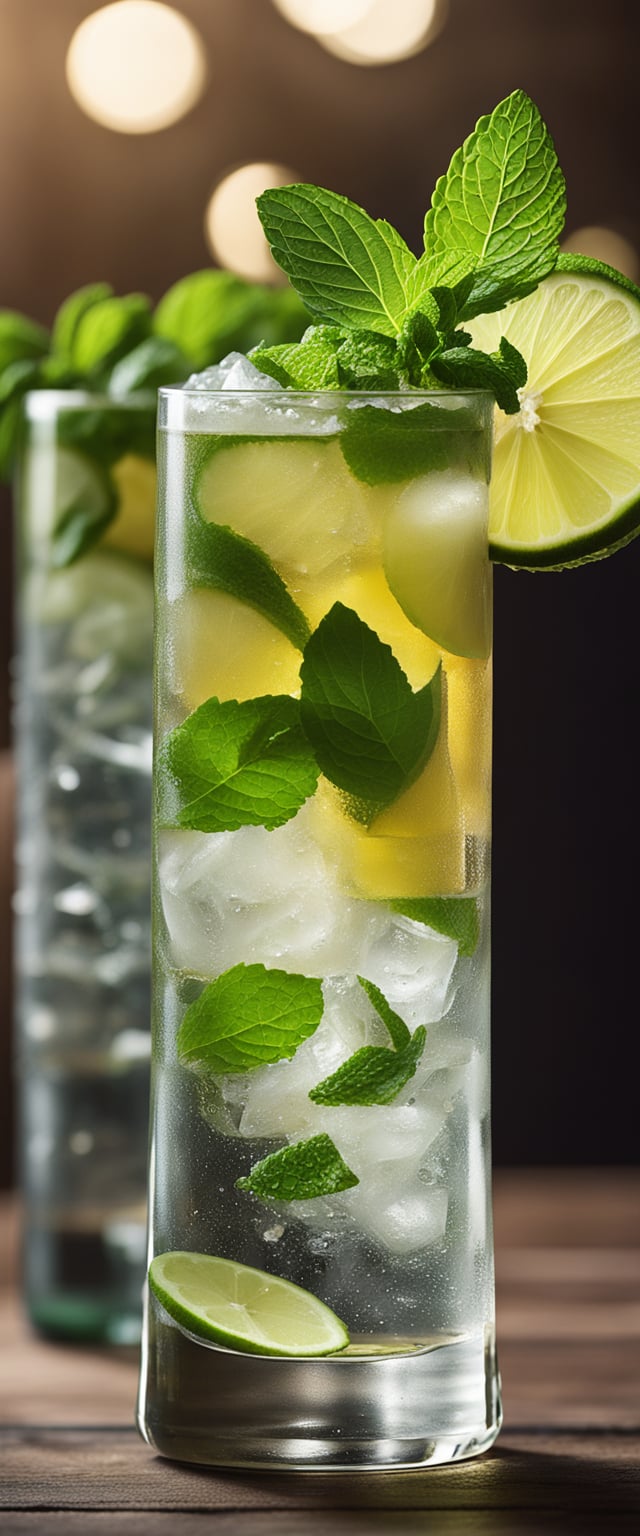
Future Trends with regard to the World of Alcohol-Free Drinks
As we go through the intricacies of EU regulations on alcohol-free drinks as well as their impact on consumers as well as their impact on consumers, it’s vital to think ahead and look at the future trends in this evolving world. The world of alcohol-free beverages is seeing rapid growth and new innovations driven by shifting consumption habits and health-conscious choices.
What is the significance of future trends?
Being aware of future trends isn’t just a matter curiosityaEUR”it’s important for producers as well as consumers. For producers, staying ahead of the trends is about ensuring they meet changing demands of the market and regulatory changes. Consumers, it’s having access a constantly expanding selection of healthy and exciting drink options.
1. A broader range of products is being added
The Beyond of the Basics
A world filled with alcohol-free drinks has expanded beyond classic options like soda or sparkling water. Producers are constantly expanding their portfolios of products to provide customers with a diverse assortment of options. These include:
-
Alcohol-free beer: This type of beer has become more sophisticated, with scents and flavors that closely to their alcoholic counterparts.
-
alternative wines: A wine that is alcohol free has been increasing in popularity and offer consumers the pleasure and taste of wine without the alcohol content.
-
Alcohol-Free Spirits: Mocktails and alcohol-free spirits are on the rise, which allows consumers to enjoy complex flavors as well as cocktails without alcohol.
2. Innovative Ingredients and Flavors
Mimicking Complexity
The producers are investing in the development of research and development for drinks without alcohol that can replicate the diverse flavors and sensations of alcoholic drinks. It is also experimenting with botanicals, herbs and spices to make nuanced profiles.
-
Botanical Infusions: Gin that is alcohol-free and botanical spirits incorporate an array of plants, resulting in unique taste experiences.
-
Distillation Technologies: Many distillation companies employ techniques for extracting flavors without alcohol creating sophisticated alcohol-free spirits.
3. Health and Wellness Focus
aligned with consumer Values
The demand from consumers for healthier products has led producers to focus upon wellness and health. This means highlighting nutrition information, organic ingredients, and the benefits of wellness.
-
Low Calories and Sugars: Many alcohol-free beverages are designed to be less calories and sugar. They are also geared to health-conscious consumers.
-
Practical Ingredients Producers are now integrating essential ingredients like vitamins, adaptogens and antioxidants to enhance the health quality of their items.
4. Sustainable and eco-friendly practices
Meeting Environmental Concerns
Sustainability is a rising concern Producers are responding by adopting eco-friendly methods. This includes sustainable sourcing of raw materials, eco-friendly packaging, and smaller carbon footprints.
-
Recycling Packaging Some alcohol-free manufacturers are opting for recyclable and biodegradable bags to reduce their environmental impact.
-
Ethical Sourcing: Producers are increasingly transparent about their sources of their products, making sure they are in line with ethical and sustainable standards.
5. In addition, education and Consumer Empowerment
Informed Choices
As the industry of alcohol-free beverages changes, consumer education becomes paramount. Companies are investing tools to help consumers better understand the benefits of their product, including:
-
Website Resources Facebook and Twitter platforms offer information about product ingredients, advantages for health, as well serving suggestions.
-
Tasting events Many producers offer tastings, workshops and other events to guide consumers on how to enjoy their alcohol-free drinks to the maximum.
Understanding these trends allows consumers to make choices that align with their preferences and values. In the following section we’ll go over the key conclusions and discuss how the alcohol-free drink market continues to shape consumer options and their experiences.
[Next up: Section 5: Overview and Looking to the FutureThen, Section 5: Summary and Looking forward
A Summary and Looking Forward Becoming familiar with EU Regulations on Alcohol-Free Drinks
When we’ve finished our thorough study of EU laws governing alcohol-free beverages and their profound impact on consumers and the industry it is essential to review the key findings from every section and look to what’s in store for the future for this evolving landscape.
Section 1: Knowing EU Regulations
In the initial part of our travels we examined the basic aspects of EU regulations on alcohol-free drink. Here are the key takeaways:
-
EU Regulations Ensure Safety: These regulations are developed to ensure the safety and quality of alcohol-free beverages as well as ensuring that drinkers can take pleasure in these drinks without the risk of health problems.
-
Labeling Clarity: Customers can count on clear and accurate labeling to differentiate alcohol-free drinks and be aware of their ingredients and health claims.
-
The Consumer Right: The consumer has the right to file complaints about violations of regulations, contributing to a trustworthy and accountable market.
Section 2: Production and Compliance
In the second section, we explored the production and drinking-in compliance issues of alcohol-free drinks:
-
Standard of Production: They must adhere to a strict set of standards, including the 0.5 percent ABV limit for alcohol-free classification.
-
Assessment and Certificate: Products undergo rigorous testing to confirm that they meet legal requirements.
-
Importance of Compliance Conformity with regulations is vital to avoid penalties and keep consumer trust.
Section 3: Implications for Producers and Market
Our third segment was devoted to the effect of regulations on the producers and market:
-
Markt Growth A growing need for alcohol-free drinks are on the increasing, driven by health-conscious customers and new product offerings.
-
Innovation and Competition: Producers are continually innovating to meet consumer demands that have led to a wide selection of alcohol-free alternatives.
Section 4: Future Trends
In the final part, we explored the future trends that are shaping the world of alcohol-free drinks:
-
Expanding the Variety of Products: Consumers can expect an increase in the variety of alcohol-free drinks, with elegant alternatives to traditional favourites.
-
Innovations in Flavors and Ingredients: The producers are investing in creating complex flavors and improving the experience of drinking.
-
Healthy and Wellness Concentration: Health-conscious consumers will find products that meet their dietary preferences and health goals.
Section 5″Summary and Looking Forward”
In this section, you will find most important information we learned from our research of EU regulations regarding alcohol-free drinks. These knowledge-based insights help producers and consumers to navigate the constantly changing regulatory landscape effectively.
As we move forward, the world of alcohol-free beverages is expected to continue growing and new developments. Consumers can expect an ever-growing choice of drinks that cater for their different tastes, preferences, and values. Producers, on the other hand, have to be attentive with regulations while embracing opportunities that are offered by this vibrant market.
In the end, understanding EU regulations on alcohol-free drinking is not just a matter of compliance It’s about providing the safety in the market, transparency, and choices which consumers should have. With a bright future the market for alcohol-free beverages lets consumers explore tasting, enjoy, and drink to a healthier and more satisfying drink.
Thank you for joining us in this adventure into an alcohol-free world drinks and EU rules. Let’s look forward to the future with new and safe beverage choices.
(End of Series]
Unlocking Peace: Alcohol-Free Spirits as well as Mental Health in the EU Take action Now!
In a world where well-being and mindfulness are becoming increasingly important importance, it’s no surprise that the alcohol-free spirits market is witnessing a huge increase in the European Union (EU). The rise of alcohol-free liquor is not merely a trend as it’s a lifestyle decision which has profound implications for the mental health of individuals. In this, the first installment of our series, we’ll look into the phenomenon of alcohol-free spirits and how they are transforming lives and mental wellbeing across the EU.
The Alcohol-Free Revolution
The last decade has seen an amazing change in the how people view and consume beverages. Traditional alcoholic drinks, that were once the mainstay of social gatherings, are no longer the preferred choice. Instead an influx of alcohol-free alternatives, sometimes described as “spirit alternative” and “alcohol-free spirits,” has begun to sweep across the EU.
The Shift in Consumer Preferences
More and more consumers are focusing on health and wellness, leading to major shifts in their drink choices. They are more aware of the effect of alcohol on their physical and mental health. The result is that alcohol-free spirits are getting more popular and offer a unique chance to enjoy the tastes and experiences without the drawbacks of alcohol.
Statistics on the Growth of the market for Alcohol-Free Spirits within the EU
The increase in the number of alcohol-free spirits market within the EU is nothing short of shocking. Recent statistics show a huge expansion in both production as well as the consumption of alcohol-free spirit. In the 2021 period alone, the EU market saw an an increase of XX% in sales of alcohol-free spirits. This reflects a clear demand for these alternatives.
The growth in the market is driven by a variety of factors, including the growing awareness and health-consciousness of consumers as well as increased accessibility of alcohol-free alternatives, as well as the innovative advertising strategies utilized by companies.
In the next installment of this series, we’ll explore the causes behind this surge in depth and how it relates to mental health. In the next article we’ll look into the intricate link between alcohol and mental well-being, as well as shed new light on the important aspects of this connection. Understanding the link is essential in understanding the positive effects of alcohol-free spirits on mental health and well-being.
Keep an eye out for Part 2 “Understanding the Connection Between Alcohol and Mental Health,” where we’ll investigate the deep-seated impact drinking alcohol can have on your mental well-being and how having an alcohol-free life style can impact.
+BILD+
Understanding the Connection between Alcohol as well as Mental Health
To fully understand the profound impact of alcohol-free drinks on mental wellbeing, it’s vital to study the complicated connection between traditional alcohol drinks and health. In this section we’ll examine how alcohol affects mental health and why living a alcohol-free lifestyle can make a significant impact.
It is the Link Between Alcohol and Mental Health
For decades, alcohol has been associated with the ability to relax and relieve stress. People often turn to alcoholic drinks for a way to relax, socialize and unwind, believing it provides some relief from their stress. While moderate alcohol consumption can provide some calming effects, the relationship between alcohol and mental health is much more intricate.
The Temporary Relief against. Long-Term Effects
The initial euphoric and anxiety-reducing effects may cause a sense of relaxation and stress relief. However the effects last only a few minutes. As the levels of alcohol in the bloodstream decrease, some people suffer the sensation of a “crash,” leading to an increase in depression, anxiety, and an increased level of irritability. This process can result in the progression of long-term mental health issues.
Dangers of Dependence
Another significant aspect of alcohol-mental health connection is the danger of dependency. A regular consumption of alcohol, particularly in excess, may be a trigger for alcohol use disorder (AUD). AUD is the result of an inability to manage the consumption of alcohol, cravings, withdrawal symptoms and increased tolerance. It could have serious implications in terms of mental health and worsening conditions like depression or anxiety.
The advantages of using alcohol-free Spirits
Given the intricate relationship in between drinking and the mental state, it’s not a surprising that a lot of people in the EU are opting to drink alcohol-free spirit as a healthier alternative. Here are a few of the advantages of choosing alcohol-free spirits for mental health
1. Low Anxiety and Lower Depression Risk
Through a cessation of alcohol consumption, people can stay clear of the mood swings, depression and depressive events that are associated with drinking alcohol. Alcohol-free drinks provide the same sensory and social pleasures without the possible negative effect on mood.
2. Better Sleep Quality
The effects of alcohol can disrupt sleep patterns and can cause sleep problems. quality. If you can avoid drinking, it will help individuals enjoy better and more restful sleep, contributing to improved mental health.
3. Enhanced Cognitive Function
The effects of alcohol on cognitive function can be detrimental, affecting decision-making and problem-solving capabilities. Alcohol-free spirits enable people to remain alert and focused in order to enhance mental clarity.
4. Low Risk of Alcohol Dependence
The most significant benefit is the reduced risk of addiction to alcohol. A choice to avoid alcohol-based spirits decreases the chance of developing AUD, which can affect your mental health.
In the third section we’ll explore an enlightening growth in the markets for alcohol-free spirits in EU and how it’s providing numerous options to meet the needs of different preferences and tastes. The accessibility of these options lets people choose the best option for their health, without sacrificing pleasure.
Stay tuned to Section 3: “The Flourishing Market of Alcohol-Free Spirits within the EU,” where we’ll reveal the myriad of alcohol-free options that are available to consumers and how they are shaping the beverage landscape.
+LINK+
The Market for Alcohol-Free Spirits within the EU
In recent years it has been noted that over the past few years, European Union (EU) has experienced a massive increase in the demand for alcohol-free spirits. When we look into this trend that is growing rapidly, we’ll look at the factors that led to its rapid growth, the broad choices of alcohol-free options and how these choices influence the drink industry across the EU.
The changing landscape of Alcohol Consumption
The landscape of alcohol consumption in the EU has undergone a major change. Traditional alcoholic drinks, which were once the mainstay of social gatherings have now come under pressure by a new wave of alcohol-free alternatives. This trend is driven by several factors that are key to the cause:
Health and Well-being
One of the main drivers behind the growth in alcohol-free spirits is the rising emphasis on well-being and health. A large number of EU residents are embracing more healthy lifestyles. This includes cutting down or eliminating consumption of alcohol. Since awareness of negative effects of alcohol consumption on physical and mental health grows, consumers are seeking alternatives that let people to enjoy the social benefits of drinking, without the negative side effects.
Changing Consumer Preferences
Today’s consumers are more demanding than they have ever been. They are looking for variety, quality, and authenticity in their drink choices. Alcohol-free spirits meet their preferences with a vast array of flavors and styles, making it easy for consumers to locate an alcohol-free selection that meets their tastes.
The Rise of Mindful Drinking
Mindful drinking is an ongoing cultural shift that encourages moderation, and conscious choices when it comes to drinking alcohol. This movement aligns with broader shifts towards sustainability, self-care and a responsible lifestyle. Alcohol-free spirit has become an essential component of mindful drinking, allowing consumers to enjoy their drinks without changing their values or ethics.
The Diverse World of Alcohol-Free Spirits
The most thrilling aspect of the new alcohol free spirit trend is the diversity it adds to the drink scene. Alcohol-free spirits are no more restricted to bland or boring alternatives. Instead, they present a rich tapestry of flavors in their ingredients, experiences, and even the food. Below are some of the most well-known categories in the alcohol-free spirits market:
1. Non-Alcoholic Gins
Non-alcoholic gins capture an essence typical of gin, but without being alcoholic. They typically contain botanicals such as coriander and juniper as well as citrus to mimic the distinctive character of the gin’s flavor. These alcohol-free spirits are ideal to mix up sophisticated cocktails or as a refreshing drink by their on their own.
2. Alcohol-Free Whiskies
Alcohol-free whiskies are designed to replicate the complexity and depth the traditional Scotch or Bourbon. They go through the same aging method, but they employ alternative methods to create a rich sweet, and smoky flavor. For those who are whiskey lovers and wish to live a clean and alcohol-free lifestyle, these alternatives provide an attractive option.
3. Mocktail Mixers
Mocktail mixers are designed to simplify the process of making drinks that are alcohol-free. They are made with a blend of herbs, spices, and fruits to add depth and flavor to your drinks. They allow you to play with a variety cocktail recipes without the need to use alcohol-based spirits.
4. Alcohol-Free Aperitifs
Aperitifs are renowned in their power to stimulate the palate prior to eating. Alcohol-free aperitifs honor this tradition by providing drinks with aperitif characteristics that are ideal for drinking before a meal. They often include a blend of herbal and bitter flavors that awaken the senses.
The Future of Alcohol-Free Spirits on the EU
As we look ahead it is evident that the thirst for alcohol-free liquors across the EU is expected to continue to increase. Consumers are becoming increasingly conscious of their choices, seeking brands that align with their values and lifestyle. The alcohol-free spirits market is poised in response to these changing tastes by offering modern, high-quality alternatives.
In Section 4 we’ll look into the profound effects of alcohol-free spirits on mental health across the EU. We’ll explore the ways in which these alternatives aid in improving well-being and emotional well-being, further strengthening their place in the eyes and hearts of EU residents.
Stay tuned for section 4: “Alcohol-Free Spirits and Mental Health in the EU,” where we’ll reveal the crucial connection between alcohol-free habits and mental wellbeing in the European Union.
+BILD+
Intoxication-free Spirits and Mental Health in the EU The Path to Wellness
In our travels through the market that is thriving for spirits that are alcohol-free within the European Union (EU), we’ve examined the evolving landscape of consumption of alcohol in the EU, the diverse range of alcohol-free spirit, and the driving factors behind this trend. Now, we turn our attention towards a key aspect that shouldn’t be overlooked how significant the impact of intoxicants that are alcohol free on health across the EU.
The Relationship Between Alcohol and Mental Health
To fully appreciate the role of alcohol-free spirits for promoting mental health, we must first be aware of the complicated connection between alcohol and mental wellbeing. Although moderate consumption of alcohol is generally considered acceptable, excessive or chronic drinking alcohol can have harmful impacts on mental wellbeing. These may include:
- Depression: Alcohol is a depressant. It can also aggravate the symptoms of depression.
- Anxiety Alcohol might lead to increased anxiety, notably when you are in withdrawal.
- Impaired Cognitive Function: Excessive drinking can be detrimental to cognitive functions and decisions.
- Sleep Disturbances: Alcohol disrupts sleep patterns, leading to the inability to sleep, and poor quality sleep.
In light of these possible risks Many people within the EU are looking for ways to enable them to enjoy social activities without compromising their mental well-being.
The mental health benefits of Alcohol-Free Spirits
Alcohol-free spirits are a source of mental health benefits that go along with the ideals of responsible drinking and mindful self-care:
1. Reduced Anxiety
Alcohol-free spirit can give a feeling of peace and comfort without the anxiety-inducing results of alcohol. An alcohol-free cocktail at social gatherings may help people feel more relaxed and less pressured.
2. Improved Sleep
Since alcohol-free spirits don’t affect sleep routines, they result in better sleep quality. Sleeping well is crucial to maintaining good mental health and emotional well-being.
3. Improved Emotional Balance
Alcohol-free spirits allow people to engage in social activities without having to worry about mood swings, or unstable emotions that are typically associated with alcohol consumption.
4. Mindful Consumption
Drinking alcohol-free spirits promotes a more conscious consumption. People are more aware of their personal limitations and make informed decisions about their well-being.
The Role of Community and Support
Beyond the physical repercussions and physical effects, the rise of alcohol free spirits has created a welcoming and tolerant society within the EU. People who opt for alcohol-free alternatives have the opportunity to meet with peers who care about their wellbeing. This sense of belonging and help can have an enormously positive impact on mental well-being.
Looking Ahead
In Section 5 We’ll close our investigation of alcohol-free spirits in the EU by analyzing the major lessons we learned from our trip. We’ll also outline the future perspectives of this rapidly growing trend and how it can keep improving the wellbeing of people across the EU.
Keep an eye out for the next section “The the future for alcohol-free Spirits within the EU,” where we’ll bring our journey close and provide insights into what’s to come for this thriving market.
The future of alcohol-free Spirits across the EU A Summary
As we come to the conclusion of our five-part trip into the world of alcohol-free spirits in the European Union (EU), we are at the crossroads of innovation, wellness, and cultural shifts. Our exploration has been informative and insightful providing insight into a rapidly evolving landscape that offers numerous benefits to individuals seeking a healthier and more conscious method of consuming habits. In the final part of this article, we bring together the most important information from our previous articles and look toward the bright future for alcohol-free spirits across the EU.
Recap: The Journey We’ve Taken Through Alcohol-Free Spirits
Chapter 1: Understanding The Shift
In the first part of this series “Understanding The Shift” we examined the dynamic shifts in alcohol consumption across the EU. We explored the reasons behind the growing popularity of alcohol-free choices and the rising emphasis on responsible drinking.
Section 2: the world of alcohol-free spirits
Our next installment, “The World of Alcohol-Free Spirits,” led us on a journey through the exciting and diverse array of alcohol-free options. From botanical blends to alcohol-free whiskey and gin in general, the EU market is filled with the latest innovations and creativity.
Section 3: The Factors that Drive
In “The Driving Factors,” our third piece, we examined the forces that are driving the movement to drink alcohol-free spirits forward. Healthy choices, inclusion, and sustainability emerged as primary factors that affect consumer choices.
Section 4″Alcohol-Free Spirits and Mental Health
The connection between the health benefits of alcohol-free spirits featured prominently in our fourth and final installment. We explored the profound impact of these drinks on our well-being which ranges from decreased anxiety to more restful sleep and improved mental health.
The Future of Alcohol-Free Spirits throughout the EU
When we look towards the future, it’s clear that the momentum for spirits that are alcohol-free in the EU doesn’t seem to be slowing down. Here are some of the key trends and developments to watch for:
1. New Variety and Innovation
Expect to see an increase in the selection of alcohol-free spirits available on the market. Innovations in distillation techniques and flavors will continue to expand the boundaries of what’s possible with non-alcoholic drinks.
2. The Elevated Mixology
Mixologists and bartenders alike are exploring the spirit of alcohol-free making delicious and complex non-alcoholic drinks that compete with their alcoholic counterparts. This trend is likely to produce more sophisticated and enjoyable alternatives that are alcohol-free.
3. Standard Acceptance
In the future, as alcohol-free liquors become increasingly common, they will move from specialty stores to more mainstream retailers. The accessibility of alcohol will help individuals to make more conscious choices with regards to their alcohol consumption.
4. Wellness and Community
The health benefits of spirits that are alcohol-free will continue to rise. Many more people will choose these drinks to aid in their overall well-being. The sense of community and the support that has emerged from this movement will also be thriving.
Conclusion
The world of alcohol-free spirits in the EU is an exciting one, revealing the numerous ways that these drinks change the way we view social drinking. From understanding the reasons for this shift to looking at the vast array of alcohol-free options, we’ve witnessed the transformation of a movement that focuses on wellness, inclusivity, and mindfulness.
In the years ahead, it’s clear that the future has even greater potential to alcohol-free spirits around the EU. With continuous innovation, greater acceptance, and a greater focus on wellbeing, these drinks are set to play a important role in our progress towards a healthier and more conscious approach to drinking.
Thank you for joining us on this journey and we are looking for the opportunity to carry on our quest for knowledge and wellness within the dynamic world of alcohol-free spirits.
For more insights and updates on the advancing environment of alcohol-free spirits remain connected to us.